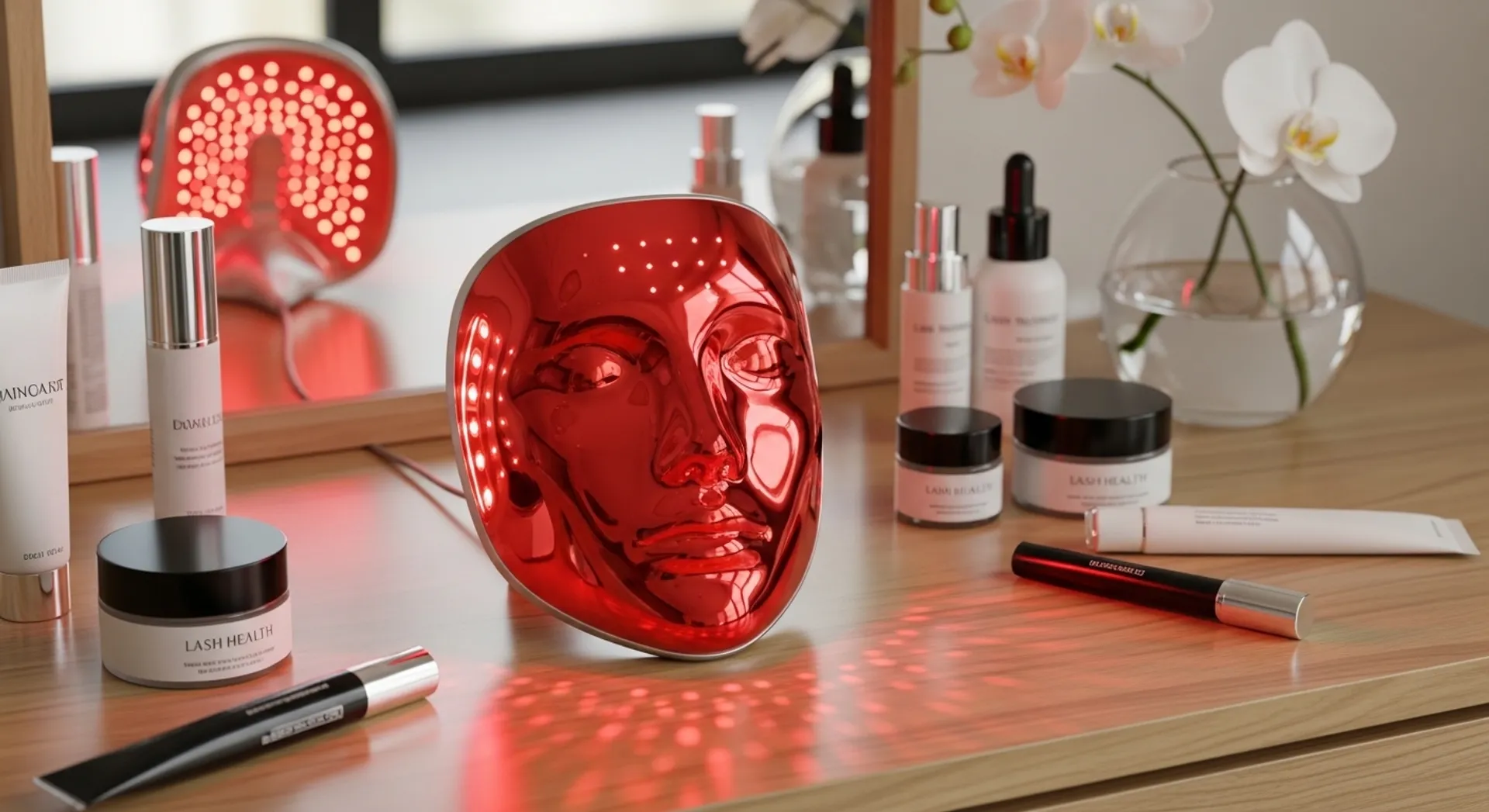
At-home beauty devices have taken over the skincare world in 2026, and red light therapy sits right at the center of that movement. LED masks, handheld panels, and targeted light devices are everywhere — promising everything from smoother skin to reduced wrinkles. But a growing number of beauty enthusiasts are asking a different question: can red light therapy actually help your lashes grow longer and healthier?
It is a fair question, especially for lash lovers who want to support their natural lashes between extension fills or after a lash lift. Here is what the science says about red light therapy lash growth, what these devices can realistically do, and whether adding one to your routine is worth the investment.
How Red Light Therapy Works on a Cellular Level
Red light therapy — also called low-level laser therapy or photobiomodulation — uses specific wavelengths of visible light, typically between 630 and 660 nanometers, to penetrate the skin and stimulate activity within your cells. According to Stanford Medicine’s review of the research, red light is absorbed by mitochondria in your skin cells, boosting production of adenosine triphosphate — the energy molecule that powers cellular repair and regeneration.
This process triggers a cascade of benefits: increased collagen production, reduced inflammation, improved blood circulation, and faster cell turnover. When applied to the scalp, these effects have been shown to stimulate hair follicles and extend the anagen growth phase — the active period when hair is actually growing. Published research in the National Library of Medicine confirms that 650-nanometer red light promotes hair follicle proliferation and delays the transition from the growth phase to the resting phase.
Can Red Light Therapy Help Your Eyelashes Grow?
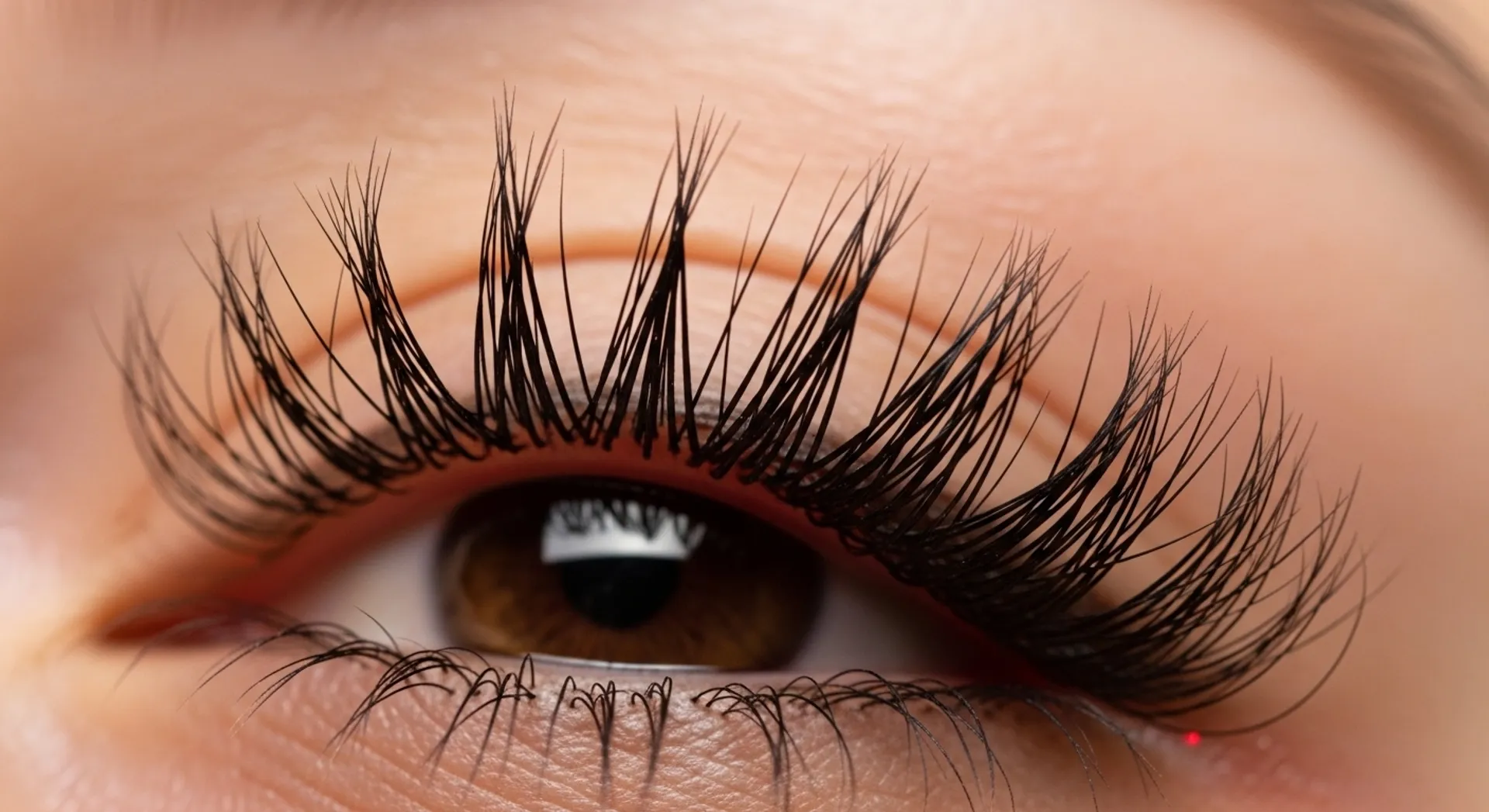
Here is where it gets interesting for lash lovers. While most red light therapy studies have focused on scalp hair, the underlying biology applies to all hair follicles — including the ones that produce your eyelashes. Eyelash follicles cycle through the same anagen, catagen, and telogen phases as scalp hair. The growth cycle of eyelashes lasts between five and twelve months, and the length and fullness of your lashes are directly tied to how long the anagen phase lasts.
Red light’s ability to extend the anagen phase and improve blood flow to follicles suggests a genuine potential for supporting lash health and growth. Increased circulation delivers more oxygen and nutrients to the lash follicle, while the boost in cellular energy production may help follicles produce thicker, stronger lashes. Understanding your natural lash growth cycle is essential for setting realistic expectations with any growth-boosting treatment, including red light therapy.
What Types of Devices Are Available?
The at-home red light therapy market has exploded, and there are several categories of devices worth knowing about.
LED Face Masks
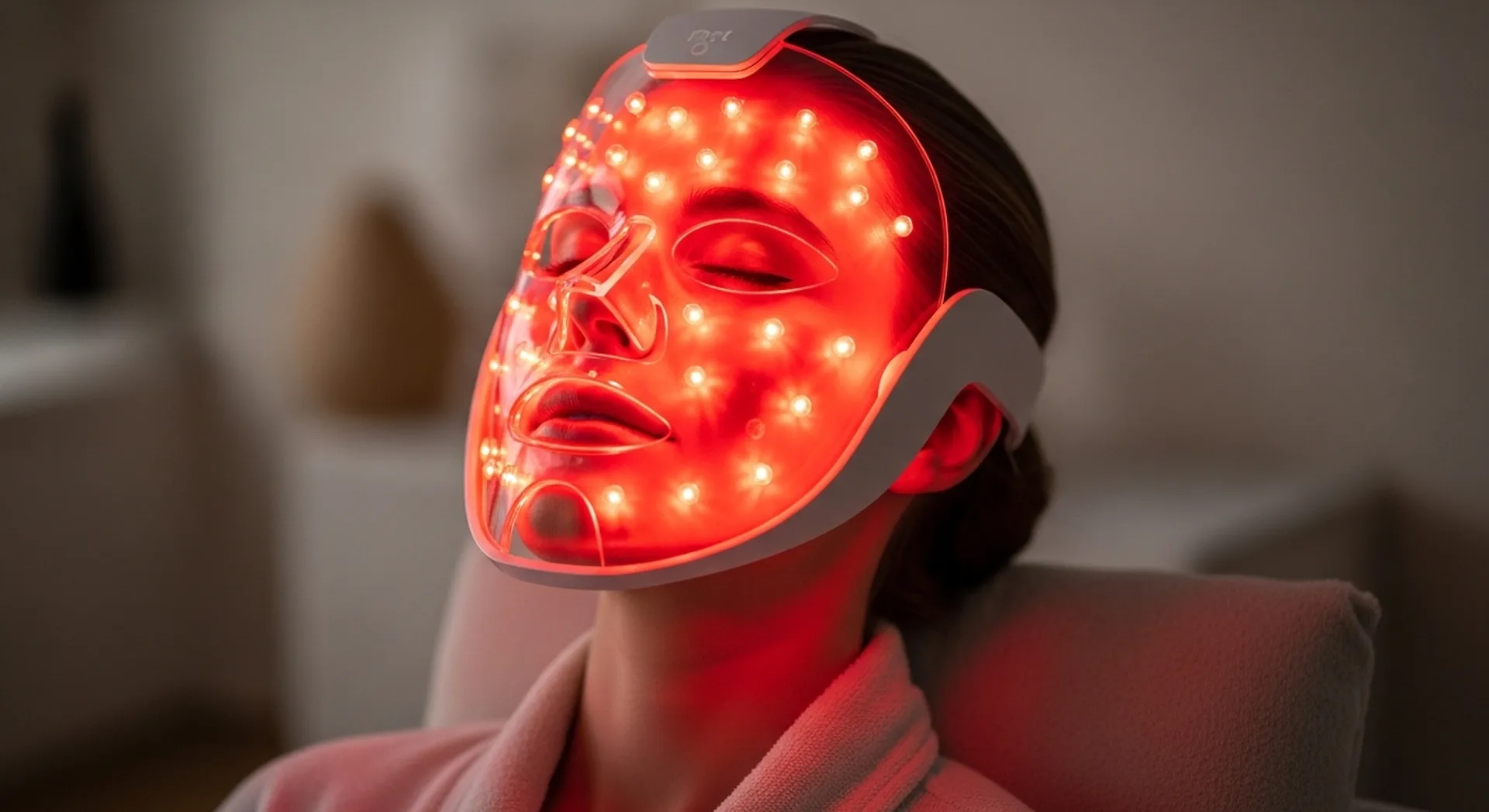
These are the most popular entry point. Full-face LED masks cover your entire face with red and near-infrared light, and because the eye area is included in the treatment zone, your lash follicles receive indirect stimulation during each session. Good Housekeeping’s 2026 review of red light therapy devices highlights several masks with clinically tested wavelengths and FDA clearance. Most sessions last between ten and twenty minutes and are designed for daily or every-other-day use.
Handheld Targeted Devices
Smaller, wand-style LED devices allow you to focus light on specific areas. Some beauty brands have even released devices specifically designed for the lip and eye area. These offer more concentrated light delivery to the lash line, though you must follow safety guidelines carefully and never shine light directly into your eyes.
Full Body Panels
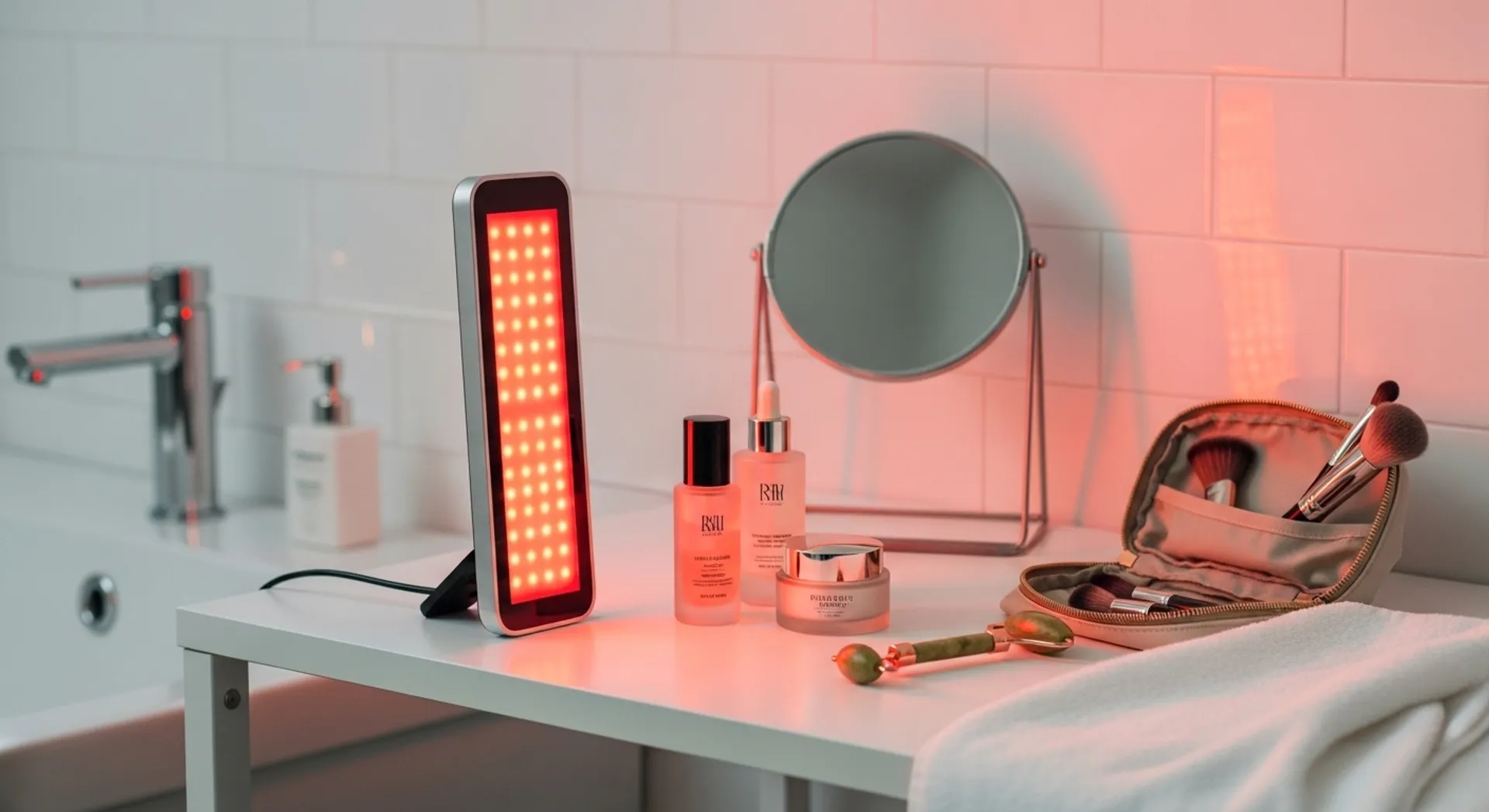
Larger panels mounted on stands deliver red and near-infrared light to broad areas. While primarily marketed for skin rejuvenation, using one in front of your face with eyes closed allows surrounding light to reach the eye area and potentially benefit lash follicles.
How to Use Red Light Therapy for Lash Health
If you decide to add red light therapy to your lash care routine, a few guidelines will help you get the most out of your device while staying safe.
Choose the right wavelength. For skin and follicle stimulation, look for devices in the 630 to 660 nanometer range. This is the sweet spot where research has demonstrated measurable effects on collagen production and hair follicle activity. Many quality masks combine red light with near-infrared wavelengths around 830 to 850 nanometers for deeper tissue penetration.
Be consistent. Red light therapy is not a one-time treatment. Results build gradually over weeks of regular use. Most dermatologists recommend sessions of ten to twenty minutes, three to five times per week, for at least eight to twelve weeks before evaluating results. This timeline aligns closely with the natural lash growth cycle, so patience is essential.
Protect your eyes. This is critical. While red light at therapeutic wavelengths is generally considered safe for skin, you should never stare directly into LED lights. Most quality masks include built-in eye protection or recommend using the device with eyes closed. If you use a handheld device near the lash line, keep your eyes shut throughout the session.
Pair with a lash serum. Red light therapy works best as part of a comprehensive approach. Combining your light sessions with a peptide-based lash growth serum can amplify results — the light improves circulation and cellular energy while the serum delivers targeted nutrients directly to the follicle. If you wear extensions, understanding how your natural lashes behave underneath is crucial. Our guide on lash extension comfort and weight science explains how extension weight affects your natural lashes and why supporting lash health matters.
Setting Realistic Expectations
Red light therapy is not a miracle cure for sparse lashes, and anyone selling it as one is overpromising. Here is what you can realistically expect.
After eight to twelve weeks of consistent use, many users report lashes that appear slightly longer, thicker, and healthier. The improvement is subtle and gradual — do not expect the dramatic difference you would see from lash extensions or a prescription-strength growth serum like bimatoprost. Think of red light therapy as a long-term investment in follicle health rather than a quick cosmetic fix.
It is also worth noting that results vary from person to person. Factors like age, genetics, hormonal balance, and overall health all influence how your follicles respond. If your lashes are thinning due to a medical condition, consult a dermatologist before relying on any at-home device. For a deeper understanding of what affects your natural lashes, our post on the most frequently asked questions about eyelash extensions covers how extensions interact with your natural growth cycle.
Is Red Light Therapy Worth It for Lash Lovers?
For anyone who already values their skincare routine and invests in lash health, red light therapy is a worthwhile addition — especially because the benefits extend far beyond lashes. You are simultaneously treating fine lines, improving skin texture, reducing inflammation, and supporting follicle health across your entire face. The lash benefits are a bonus on top of an already powerful skincare tool.
If you wear lash extensions, healthier natural lashes mean better retention and stronger bonding surfaces. If you prefer a natural look or alternate between extensions and lash lifts, stronger natural lashes give you more styling flexibility. Either way, red light therapy lash growth potential makes these devices a smart investment for beauty lovers who think long-term.