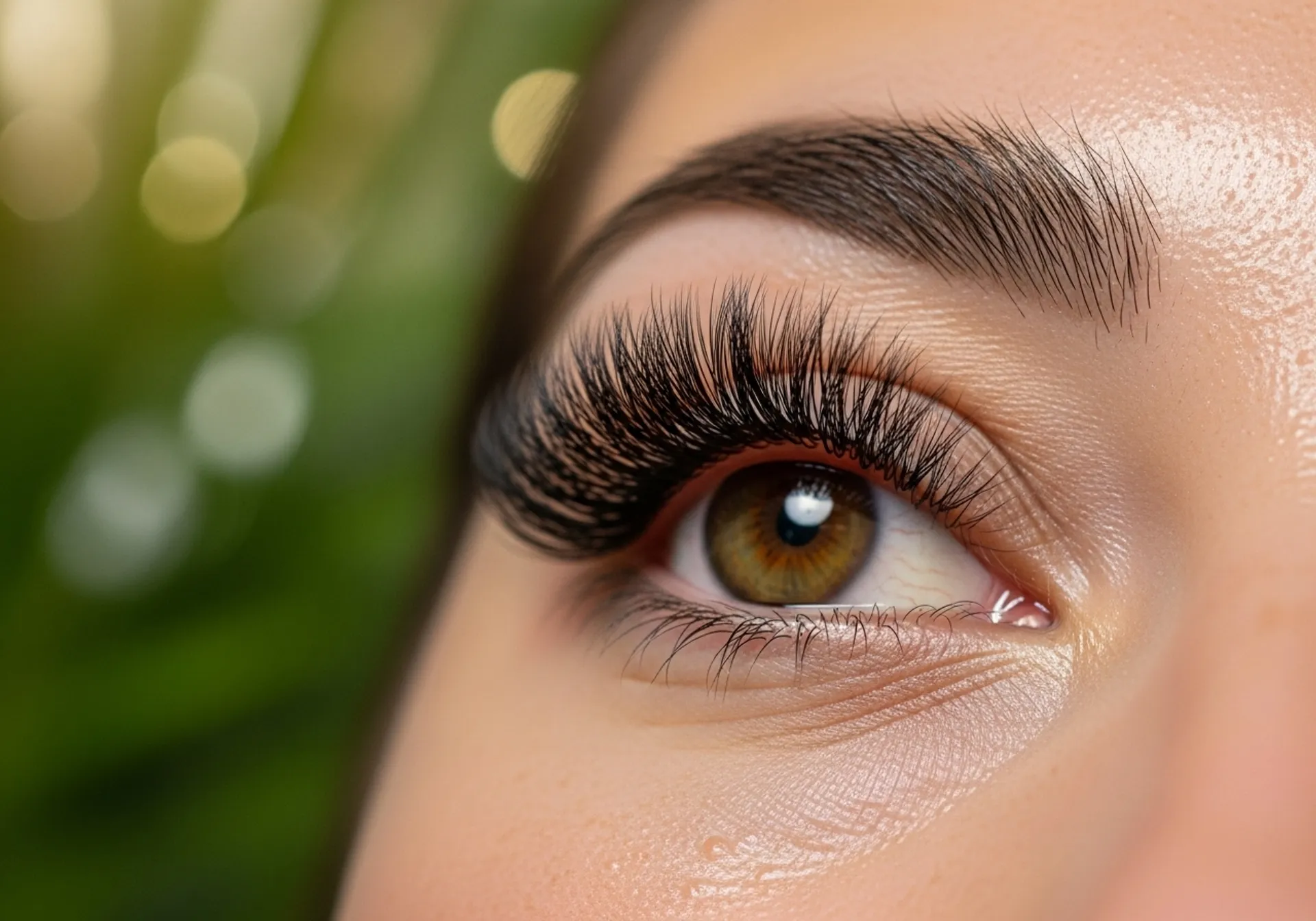
If you have ever noticed your lash extensions falling out faster during the summer months or struggled to keep your lashes looking full while living in a tropical area, you are not alone. Lash retention in humid climates is one of the most common challenges both clients and lash artists face, yet it remains one of the least understood aspects of lash extension care.
The relationship between humidity and lash adhesive is more complex than most people realize. Understanding this connection — and knowing how to work with it rather than against it — can make the difference between lashes that barely last two weeks and extensions that stay beautiful for six weeks or more. Whether you are a client living in a humid environment or a lash artist trying to serve clients better, this guide breaks down everything you need to know about maintaining excellent lash retention when the air is thick with moisture.
The Science of Humidity and Lash Adhesive
To understand why humidity affects your lash extensions, you first need to understand how lash adhesive actually works. All professional lash extension adhesives contain cyanoacrylate as their primary bonding agent. This ingredient is what creates the strong, flexible bond that holds extensions to your natural lashes for weeks at a time.
Here is the key fact that changes everything: cyanoacrylate cures (hardens) in the presence of moisture. Humidity in the air provides that moisture, which means humidity essentially acts as an activator for your lash adhesive. According to BL Lashes’ comprehensive guide on adhesive and humidity, the ideal humidity range for most lash adhesives is 45-60 percent with room temperature between 68-72 degrees Fahrenheit.
What Happens When Humidity Is Too High
When humidity levels climb above that ideal 60 percent mark — which is common in tropical climates, coastal areas, and during summer months nearly everywhere — the curing process speeds up dramatically. An adhesive that normally takes 3-4 seconds to set might cure in less than 2 seconds when humidity reaches 70 percent or higher.
This accelerated drying creates several problems. The adhesive may start curing before the extension is properly positioned on the natural lash, resulting in a weak bond that fails prematurely. The glue can also become brittle rather than flexible, making it more likely to crack and release the extension during normal daily activities. For lash artists, high humidity means constantly adjusting technique and timing to keep up with adhesive that seems to have a mind of its own.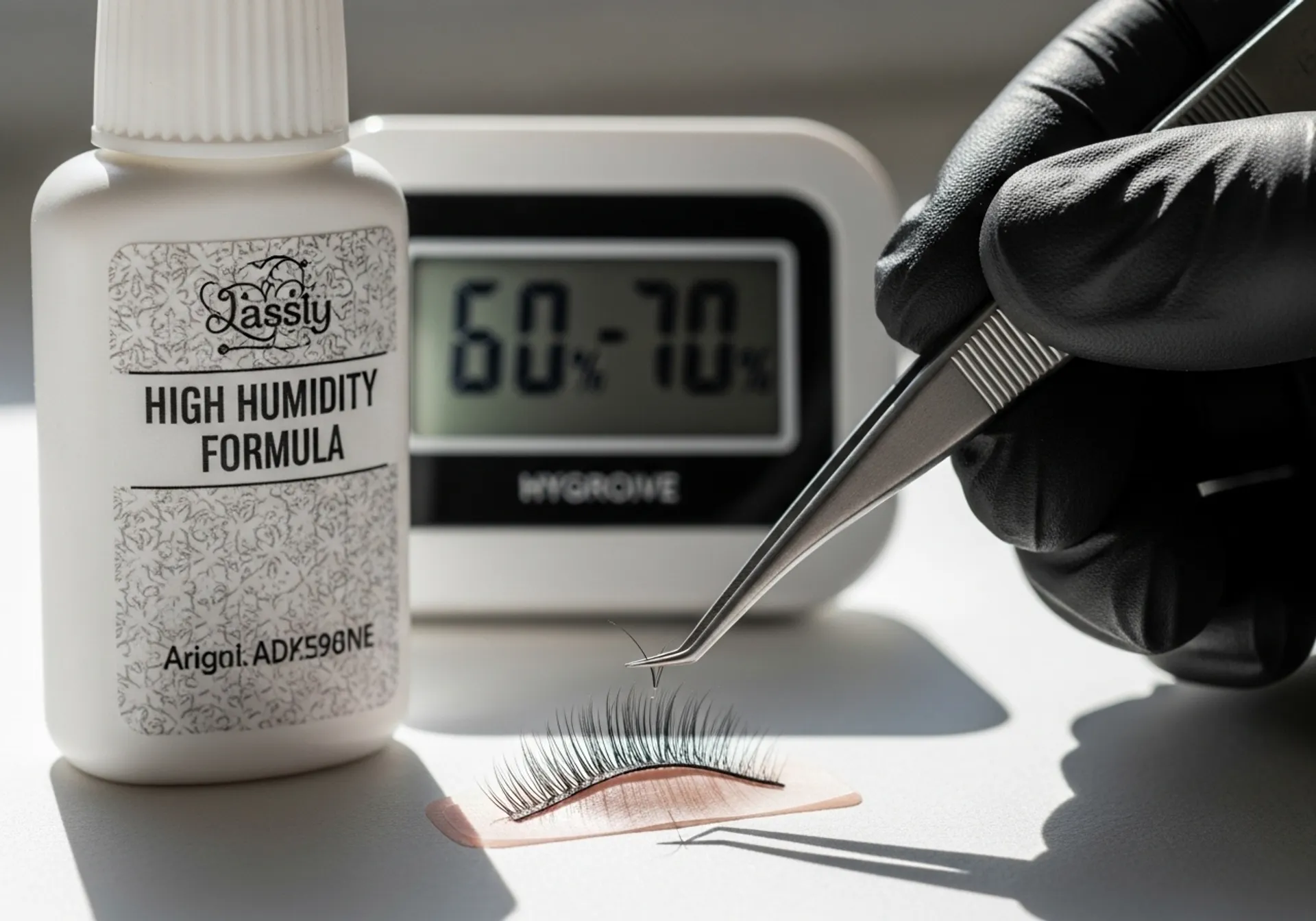
The Double Challenge of Heat and Humidity
In humid climates, high humidity rarely travels alone — it usually brings heat along with it. This combination creates additional challenges for lash retention. Heat causes increased sweating and oil production in the skin, both of which can break down lash adhesive bonds over time. Clients who live in hot, humid environments often notice their lashes falling out faster simply because their bodies are producing more oils and moisture around the lash line.
Essential Tips for Lash Artists in Humid Climates
If you are a lash artist working in a humid environment, your adhesive selection and application technique need to account for climate conditions. Small adjustments can lead to dramatically improved retention for your clients.
Choose the Right Adhesive
Not all lash adhesives are created equal, and some are specifically formulated to perform well in high-humidity conditions. Look for adhesives labeled for humid environments — these typically have slightly slower drying times that compensate for humidity-accelerated curing. In high humidity conditions, an adhesive with a 4-5 second drying time under normal conditions will perform more like a 2-3 second adhesive, which is often perfect for skilled artists.
Many professional suppliers now offer specific humidity-range adhesives. Keep multiple adhesive options on hand so you can select the appropriate one based on your salon’s conditions that day. What works perfectly in January might cause retention nightmares in August.
Monitor and Control Your Environment
A hygrometer is absolutely essential for any lash artist serious about consistent retention. This inexpensive device shows you exactly what humidity and temperature levels you are working with, taking the guesswork out of adhesive selection and application timing.
Invest in climate control for your lash room. A dehumidifier can bring humidity levels down to the ideal 45-60 percent range even when outdoor humidity is much higher. Air conditioning helps with both temperature and humidity control. The upfront investment pays for itself quickly through improved client satisfaction and fewer complaints about poor retention.
Adjust Your Technique
In humid conditions, work with less adhesive on your tool. A smaller bead of glue has less time to start curing before you place the extension. Dip more frequently rather than loading up excess adhesive that will partially cure before use.
Speed matters more in humid environments, but not at the expense of proper attachment. Focus on efficient, confident placement rather than rushing through sets. Each extension should be properly isolated and attached at the correct distance from the lash line — cutting corners leads to worse retention, not better.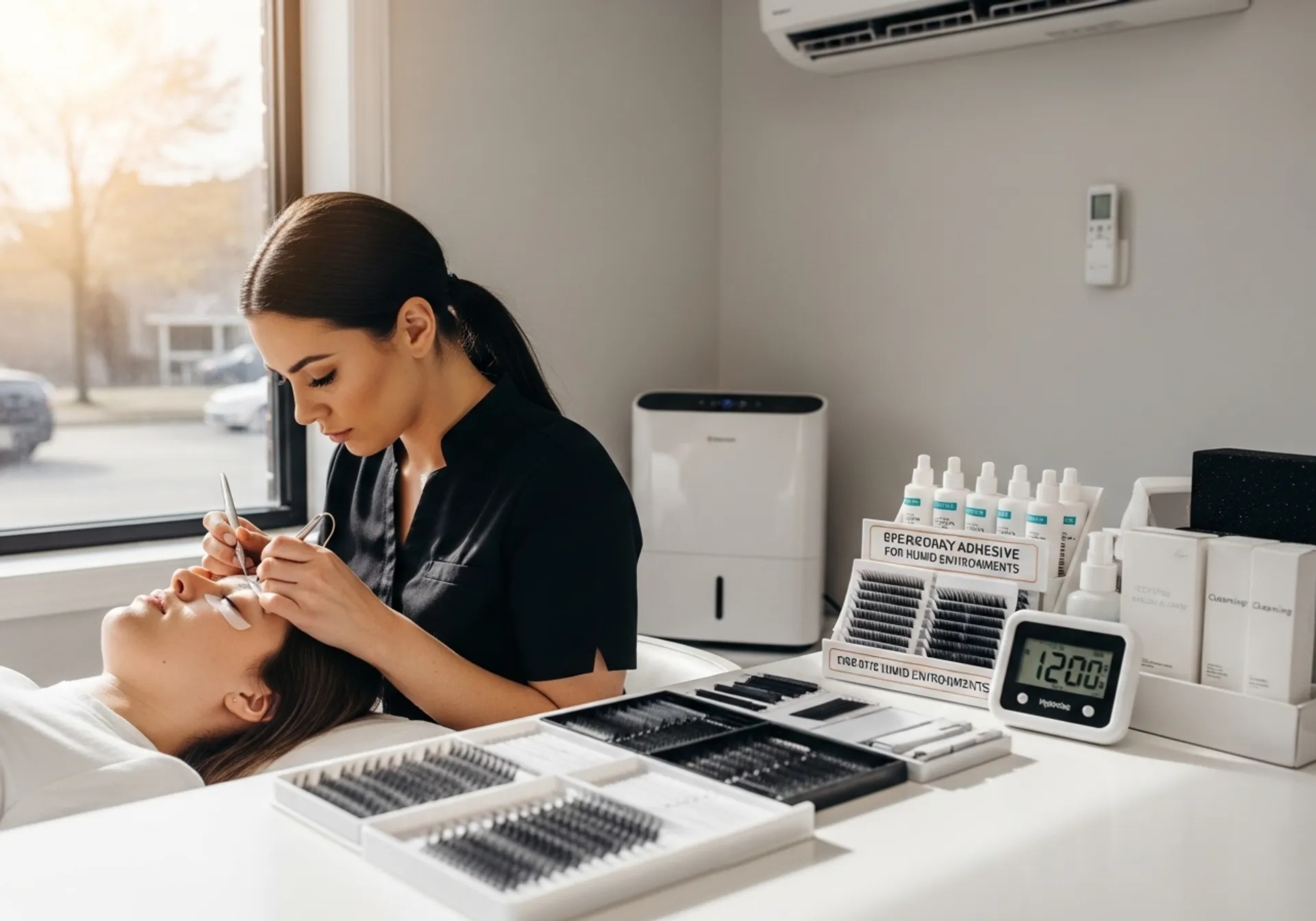
Client Tips for Better Retention in Humid Weather
Even with perfect application technique and ideal adhesive selection, retention ultimately depends on how clients care for their extensions once they leave the salon. In humid climates, aftercare becomes even more critical.
Keep Lashes Clean and Dry
Daily cleansing is non-negotiable for good retention, especially in humid environments. Sweat, oils, and environmental debris accumulate faster when humidity is high, and this buildup weakens the adhesive bond. Use a gentle, oil-free lash cleanser to wash your lash line every evening. Our complete guide to lash extension aftercare covers the proper cleansing technique in detail.
After cleansing — and after any exposure to water — make sure your lashes dry completely. Moisture trapped at the base of extensions creates an environment where adhesive breaks down faster. Use a small fan or the cool setting on a hair dryer to gently air-dry your lashes after washing your face or showering.
Manage Oil Production
High humidity often increases oil production in the skin, and oil is the enemy of lash adhesive. Avoid touching your face and eye area throughout the day, as your fingers transfer additional oils to the lash line. Use oil-free skincare products, especially around the eyes. If you have naturally oily skin, consider using oil-absorbing sheets on your eyelids during the day — just blot gently without disturbing your extensions.
Waterproof makeup and heavy eye creams should be avoided entirely. These products are difficult to remove completely and leave residue that breaks down adhesive bonds. Stick to water-based, lash-extension-safe products to maximize retention.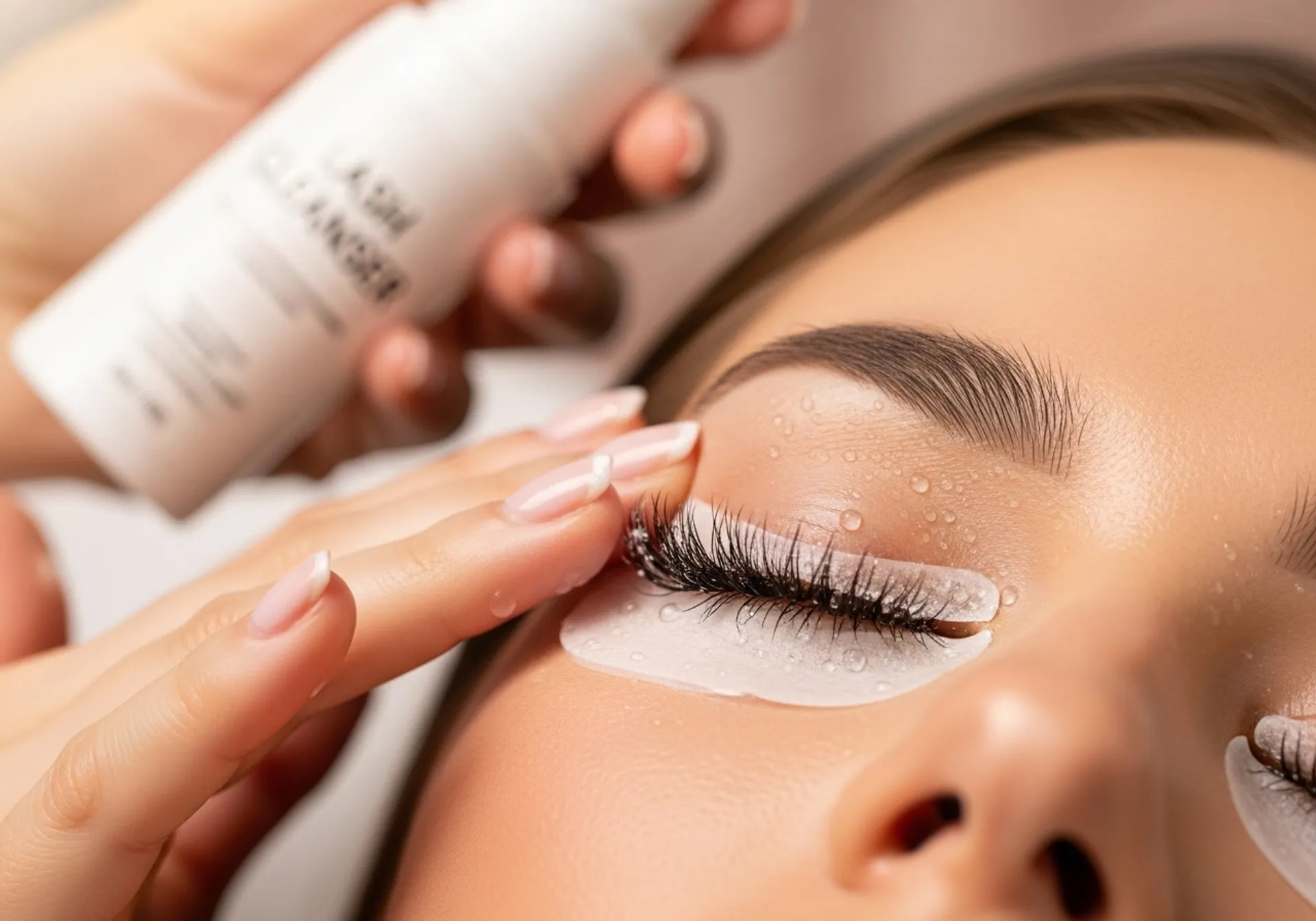
Timing Your Appointments Strategically
If possible, schedule your lash appointments during the cooler, less humid parts of the day. Early morning appointments often mean lower humidity levels and more comfortable conditions for both you and your lash artist. Avoid scheduling right after intense workouts when you are sweating heavily — give your body time to cool down and normalize before having extensions applied.
Seasonal Considerations for Year-Round Retention
Even in consistently humid climates, there are seasonal variations that affect lash retention. Understanding these patterns helps both artists and clients prepare for retention challenges before they become problems.
Summer and Rainy Season Adjustments
During peak humidity months, expect to need fills slightly more frequently than during drier seasons. This is normal and does not necessarily indicate a problem with application or aftercare — it is simply the reality of how adhesive performs in very humid conditions. Planning for fills every 2-2.5 weeks rather than 3 weeks during summer helps maintain a full, beautiful lash line.
Lash artists should consider switching to slower-drying adhesives during these months and paying extra attention to climate control in the salon. Clients should be even more diligent about daily cleansing and may want to consider using a lash sealant for additional protection.
Air Conditioning Considerations
Interestingly, air-conditioned environments can create their own retention challenges. While AC reduces humidity, it also tends to dry out the air significantly. Some clients who spend most of their time in heavily air-conditioned spaces experience retention issues because the environment swings between very dry (indoors) and very humid (outdoors) throughout the day.
If you frequently move between air-conditioned and humid outdoor environments, focus on keeping your lashes clean and avoiding touching them as you transition. The constant environmental changes can stress the adhesive bond, so consistent aftercare becomes even more important.
When Retention Problems Persist
If you are following all the right aftercare steps and still experiencing poor retention during humid months, it may be time to have an honest conversation with your lash artist. They may need to try a different adhesive formulation, adjust their technique, or recommend changes to your aftercare routine specific to your situation.
Poor retention can also sometimes indicate issues beyond humidity — factors like hormonal changes, medication, or underlying natural lash shedding cycles can all play a role. A skilled lash artist will consider all these factors when troubleshooting retention problems.
Remember that some variation in retention between seasons is completely normal. The goal is not perfect consistency year-round — that is often unrealistic given how dramatically environmental conditions change. The goal is understanding what affects your lashes and making appropriate adjustments to get the best possible retention given your specific circumstances.
Embracing Beautiful Lashes in Any Climate
Living in a humid climate does not mean you cannot enjoy long-lasting, beautiful lash extensions. It simply means being smarter about adhesive selection, application technique, and aftercare routines. When artists and clients work together to address humidity-related challenges, excellent retention is absolutely achievable even in the most tropical environments.
The key is understanding that humidity is not your enemy — it is simply a factor to work with. Armed with the right knowledge and tools, you can enjoy stunning lashes that stay put through summer heat waves, tropical vacations, and everything in between.