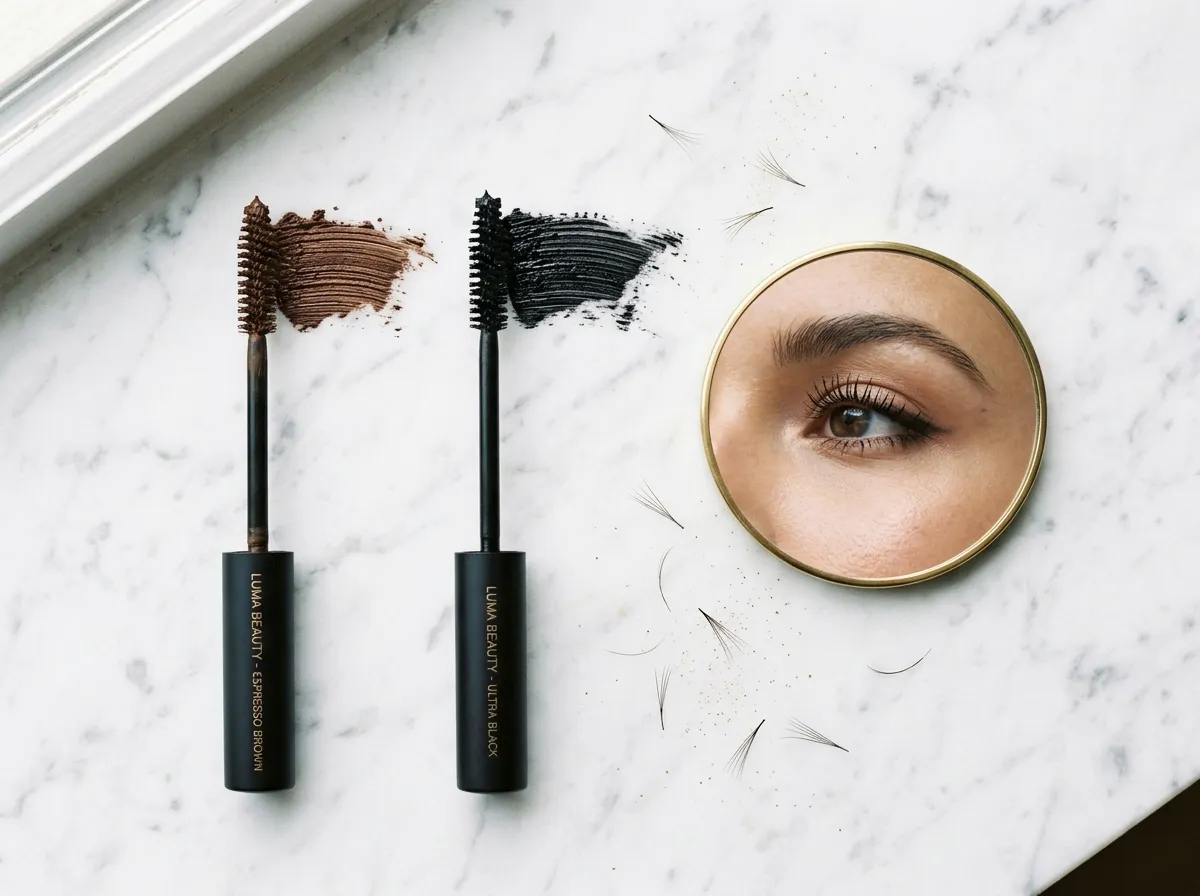
It sounds like a small decision — brown or black mascara? — but if you have ever grabbed the wrong one before an important event and spent the whole day feeling like something was slightly off about your makeup, you know it is anything but small. The mascara you choose frames your entire eye look, influences how your skin tone reads, and either enhances or competes with whatever else you have going on. And in 2026, with brown mascara officially having its biggest moment in years, the question of which shade is right for you has become one worth answering properly.
This guide breaks down the real differences between brown and black mascara — not just the obvious color distinction, but how each one interacts with your eye color, skin tone, lash density, and the overall look you are going for — so you can choose with confidence every single time.
The Core Difference Between Brown and Black Mascara
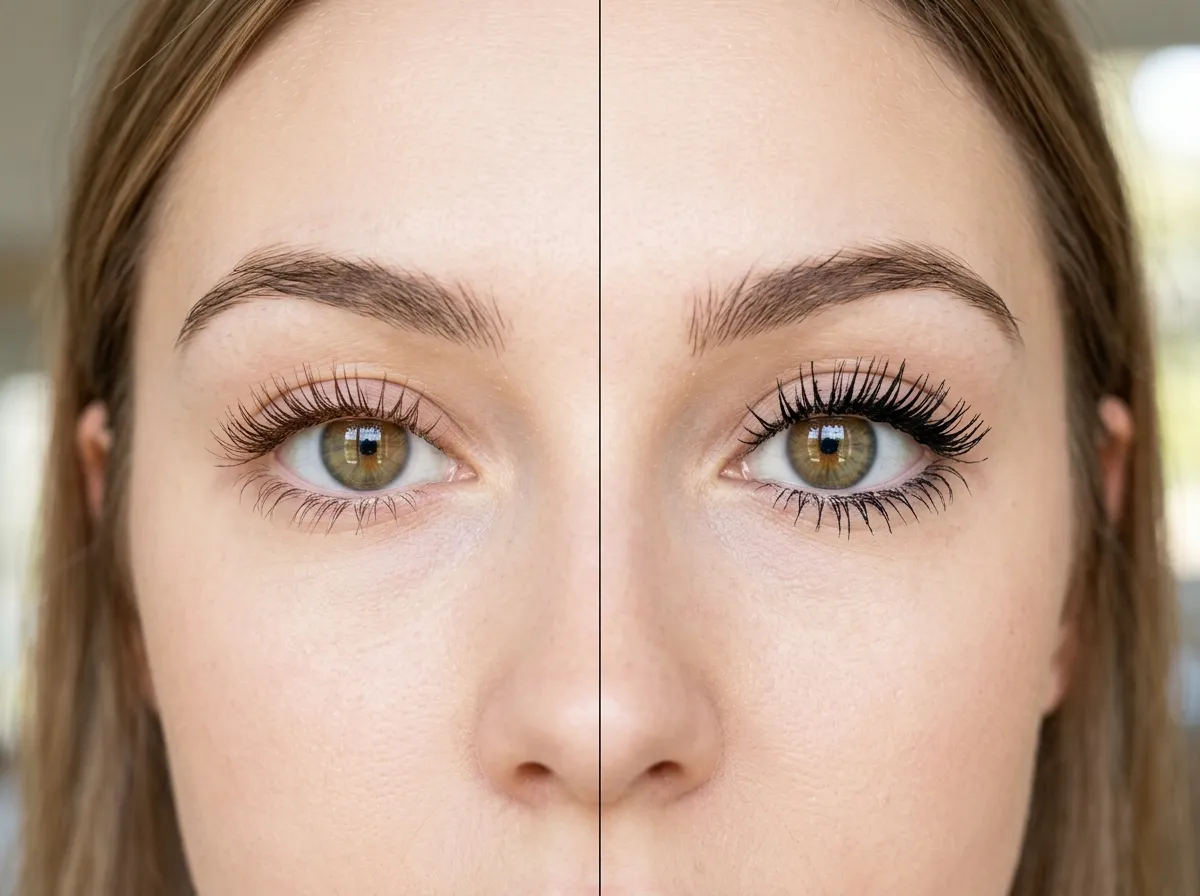
At the most basic level, the difference is contrast. Black mascara creates high contrast between your lashes and your skin, making lashes appear darker, bolder, and more defined against the eye area. Brown mascara creates a softer contrast — the lashes are still visibly enhanced, but the effect blends more naturally with the eye area, giving a result that reads as polished rather than dramatic.
Both shades are available in the same range of formulas — volumizing, lengthening, tubing, waterproof, and fiber — so the formula choice is entirely separate from the color choice. You are not giving up performance by choosing brown. You are simply adjusting the intensity of the finish.
How Brown Mascara Has Evolved
For a long time, brown mascara had a reputation as the option for women who wanted to look like they were not really wearing mascara — a slightly apologetic choice for those who found black too strong. That perception has shifted completely. The brown mascaras available in 2026 range from warm, barely-there toffee tones all the way through deep espresso and almost-black chocolate shades that deliver serious definition. Brown is no longer a compromise. It is a deliberate aesthetic choice with a full spectrum of options within it.
The growing popularity of brown lash extensions has also brought renewed attention to brown as a lash color more broadly — if the lash extension world has embraced brown as a sophisticated, wearable alternative to black, it makes complete sense that mascara would follow the same trajectory.
Which Eye Colors Suit Brown vs. Black Mascara
Eye color is one of the most reliable guides for choosing between brown and black mascara, because contrast and complementary tones work differently depending on your iris color.
Blue and Grey Eyes
Brown mascara is genuinely transformative on blue and grey eyes. The warm undertones in brown — particularly the reddish-brown and copper-tinged shades — sit opposite blue on the color wheel, which means they create a complementary contrast that makes blue and grey irises appear more vivid and saturated. Black mascara on blue eyes is perfectly fine and always classic, but it can sometimes flatten the warmth of the eye area. If you have blue or grey eyes and have never tried a warm brown mascara, it is one of those small switches that produces a surprisingly noticeable result.
Green and Hazel Eyes
Green and hazel eyes are arguably the eye colors that benefit most dramatically from brown mascara. The golden, amber, and green flecks that characterize hazel eyes are amplified by warm brown tones in a way that black simply cannot replicate. A deep espresso or warm chestnut mascara on green or hazel eyes creates a smoldering, dimensional look that makes the iris color appear richer and more complex. Black works well here too, but brown creates something genuinely special. According to Jane Iredale’s guide to finding the perfect mascara shade, the earthy undertones of brown mascara are especially effective at making green eyes pop — a tip backed by their team of professional makeup artists with decades of experience.
Brown and Dark Eyes
For deep brown or very dark eyes, black mascara has traditionally been the go-to because the high contrast is visible and impactful. Brown mascara can appear to disappear on very dark lashes and irises if the shade is too light — the contrast simply does not read. However, a deep espresso or near-black brown can work beautifully on dark eyes by adding warmth and softness to the lash line without the stark intensity of true black. If you have dark eyes and want to try brown, go for the deepest shades in the brown range rather than lighter toffee or warm brown formulas.
Light Brown and Amber Eyes
Light brown, amber, and honey-colored eyes are enhanced by both shades, depending on the look you want. Black mascara creates a striking contrast that makes lighter brown eyes appear more defined and intense. Brown mascara blends harmoniously with the warm tones of the iris, creating a softer, more tonal effect. The choice here really comes down to whether you want definition and drama or warmth and softness — both are genuinely flattering.
How Skin Tone Influences the Choice
Eye color is not the only factor. Skin tone plays a significant role in how brown versus black mascara reads on your overall face, particularly because the lash line sits so close to the skin of the eye area.
Fair and Light Skin Tones
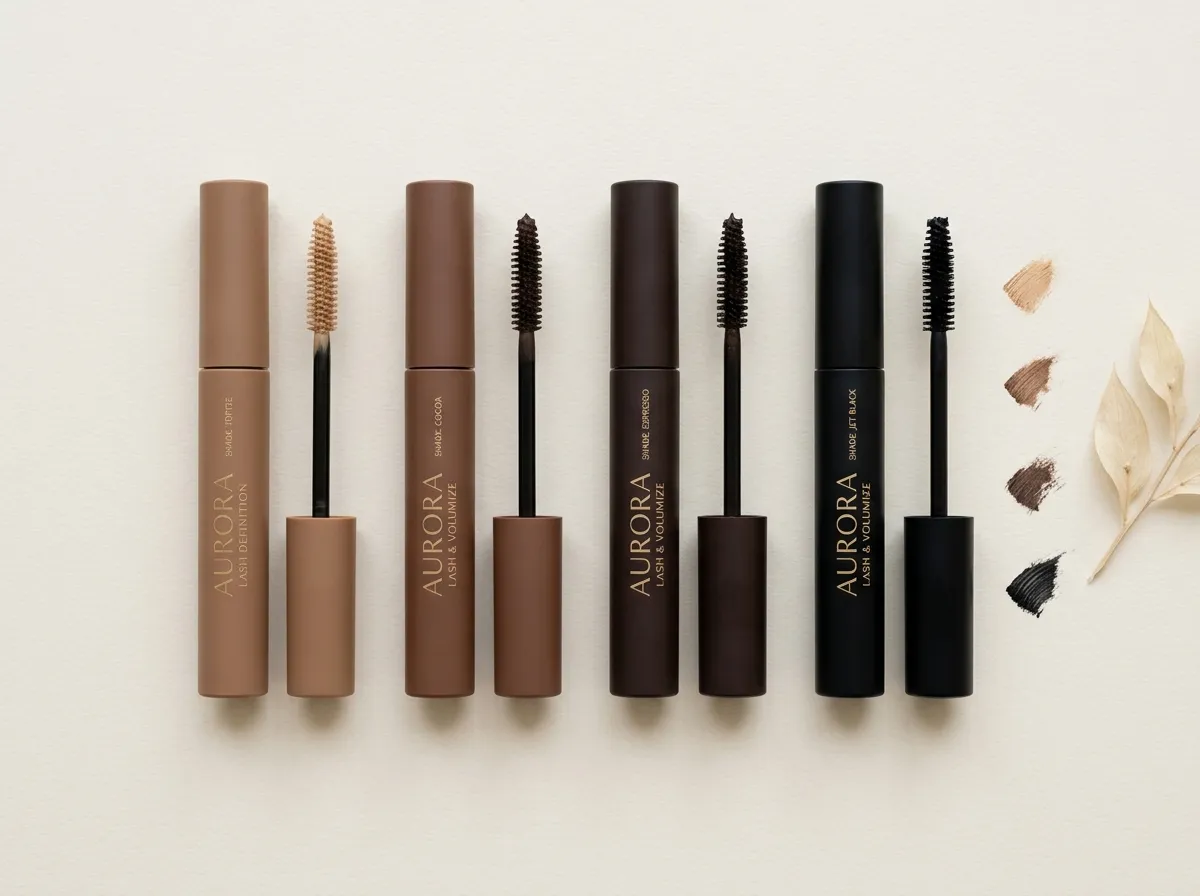
On very fair skin, black mascara can sometimes create a contrast that feels harsh rather than polished — particularly in daytime or natural lighting. Brown mascara softens the transition between the lash line and the skin, creating a more seamlessly blended result that reads as natural and effortless. This is why brown mascara has long been a favorite among makeup artists working with fair-skinned clients who want definition without the makeup looking heavy or overdone. As L’Oréal Paris notes in their guide to brown vs. black mascara, fair-skinned individuals with blonde or light hair benefit most from brown mascara as it adds definition without harsh contrast — giving a naturally polished look that black can sometimes overpower.
That said, fair skin and black mascara is a timeless combination when the look calls for drama — a classic cat eye or a bold evening look is almost always better served by black. The key on fair skin is matching the mascara intensity to the occasion and the rest of the makeup.
Medium and Olive Skin Tones
Medium and olive skin tones are the most versatile — both brown and black mascara work well, and the choice really comes down to the look rather than any particular concern about contrast. Brown mascara on medium skin tones creates a warm, sun-kissed effect that complements the golden undertones common in olive complexions. Black creates crisp definition that works across all looks. Many women with medium skin tones find that they rotate between both shades depending on the season — brown in spring and summer for a softer feel, black in autumn and winter for more polish and intensity.
Deep and Dark Skin Tones
On deep skin tones, black mascara is typically the stronger choice because it creates visible definition against both the skin and the natural lash color. Brown mascara in lighter shades can appear washed out or inconsistent on deeper complexions. However — as with dark eyes — a rich espresso or dark chocolate brown can add a beautiful warmth to the lash line that pure black does not, particularly for everyday looks where a softer finish is preferred. If you have a deep skin tone and want to explore brown mascara, the darkest end of the brown spectrum is your best starting point.
Matching Mascara Shade to the Look You Want
Beyond your physical features, the look you are creating is one of the most practical guides for choosing between brown and black. Different makeup aesthetics genuinely call for different lash shades.
For Natural and No-Makeup Makeup Looks
Brown mascara is the clear winner here. If the goal is a polished, put-together appearance that does not look like you are wearing much — the “your lashes but better” effect — brown creates that seamlessly. The softer contrast blends the lash line into the eye area rather than drawing sharp attention to it, which is exactly what a natural look requires. A warm toffee or mid-brown shade with a lengthening formula is the ideal combination for this aesthetic.
For Classic and Everyday Polished Looks
Both shades work well for a classic, everyday face. If your everyday look involves defined brows, a clean base, and minimal eye shadow, black mascara gives your lashes enough presence to balance the overall look without needing additional eye makeup. If your everyday look is lighter — tinted moisturizer, a bit of blush, and minimal other eye products — brown mascara may be the better choice to keep the look cohesive and proportional.
For Bold and Dramatic Eye Looks
Black mascara almost always wins for bold and dramatic eye looks. If you are working with smoky eyeshadow, graphic liner, or any eye look where the eyes are the clear focal point of your makeup, black mascara delivers the definition and intensity that the look requires. Brown mascara alongside heavy eye makeup can sometimes read as inconsistent — the dramatic shadow with a softer lash creates a visual disconnect that most makeup artists would avoid.
The one exception is when you are deliberately working with warm, earthy tones — terracotta eyeshadow, bronze liner, amber highlighter — where a deep brown mascara can be used as a finishing touch that ties the warm color story together more cohesively than black would.
For Special Occasions and Events
For weddings, formal events, and photography situations, black mascara is generally the safer and more reliable choice. It photographs crisply, reads clearly in all lighting conditions, and creates the lash definition that registers well both in person and on camera. Brown mascara can sometimes appear softer or lighter than expected in flash photography, particularly lighter brown shades.
What to Look for in Each Formula
Once you have decided which shade direction suits you, knowing what to look for in the formula itself ensures you get the best result from whichever color you choose.
What Makes a Good Brown Mascara
The biggest pitfall with brown mascara is choosing a shade that is too light for your coloring or the look you want. When shopping for brown mascara, look for formulas described as espresso, dark brown, deep brown, or mocha if you want visible definition — these shades read as genuinely impactful on the lash line rather than disappearing. Lighter toffee and warm brown shades are better suited to very fair complexions or very light-touch natural looks.
Also pay attention to the undertone. Brown mascaras can lean warm (reddish, amber, golden undertones) or cool (ashier, more neutral undertones). Warm undertones complement blue, green, and hazel eyes most effectively. Cool undertones tend to work better on dark eyes, where you want the softness of brown without the warmth adding a reddish cast.
What Makes a Good Black Mascara
Black mascara varies more than most people realize. True black — deep, rich, and opaque — delivers maximum definition and drama. Some mascaras marketed as black are actually very deep brown-black or soft black formulas that behave more like an intense brown. If you want true black, look for terms like jet black, intense black, or carbon black on the packaging.
For extension wearers, formula weight matters as much as color — heavy, fiber-loaded black mascaras can disrupt the bond and weight of extensions if applied too generously. A lightweight, water-based black mascara applied only to the tips of extensions (never the roots) is the safest approach. The guide on the best tubing mascaras for smudge-proof lashes covers some of the most extension-compatible formulas currently available and is worth reading alongside your mascara shade decision.
For a broader understanding of how different mascara types perform on different lash types and needs, the Allure editors’ guide to the best mascaras is one of the most consistently updated and rigorously tested references available — a reliable starting point when you are evaluating specific products.

The Verdict — and Why You Might Want Both
If you have been a committed black mascara wearer your whole life, the honest answer is that adding a good brown mascara to your collection will not replace what you already have — it will expand what you can do. Brown for your natural, everyday, softer looks. Black for your bolder moments, your formal events, your full eye makeup days. The two shades are not competitors; they are complements.
And if you are newer to mascara or building your beauty routine from scratch, the most practical advice is this: start with your eye color and skin tone as your guide, buy one shade, wear it consistently for a few weeks, and pay attention to how it interacts with your natural coloring in different lighting conditions. Your eyes will tell you everything you need to know.
For anyone who wants to go further with their eye makeup — beyond mascara and into the full picture of how to enhance your eyes in a way that suits your unique features — the comprehensive guide on choosing the best lash style for your eye shape applies the same principles of working with your natural features rather than against them, and is a natural next read from here.