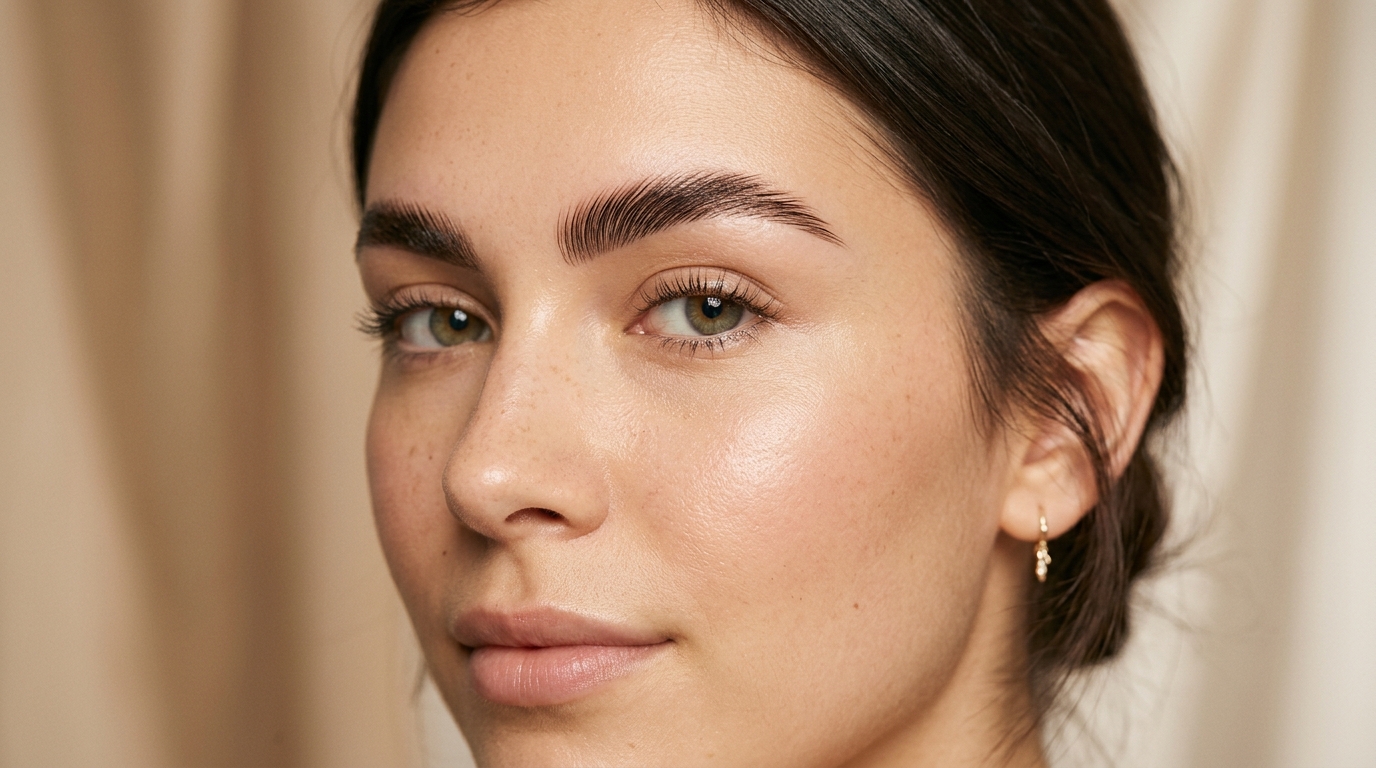
Brow lamination is one of the fastest-growing beauty services of 2026 — and for good reason. The treatment restructures the brow hairs into a uniform upward direction, creating the full, fluffy, brushed-up aesthetic that has dominated beauty feeds for the past several years without requiring daily styling, brow gels, or the commitment of semi-permanent tattooing. A well-executed brow lamination can last six to eight weeks — but only when the aftercare protocol is followed correctly in the critical period immediately after the treatment.
This is where most clients lose results prematurely. The lamination process chemically softens the brow hairs to allow them to be restructured, then sets them in their new position using a neutralizing solution. For the first twenty-four to forty-eight hours after treatment, the bonds holding the hairs in their new direction are still stabilizing — and any product, moisture, or friction applied during this window can partially or fully reverse the results before they have had a chance to fully cure. This guide covers everything you need to know about brow lamination aftercare — from the immediate post-treatment period through to long-term maintenance — so your results last as long as possible and your brow hairs stay healthy throughout.
The First 24 to 48 Hours — The Most Critical Window
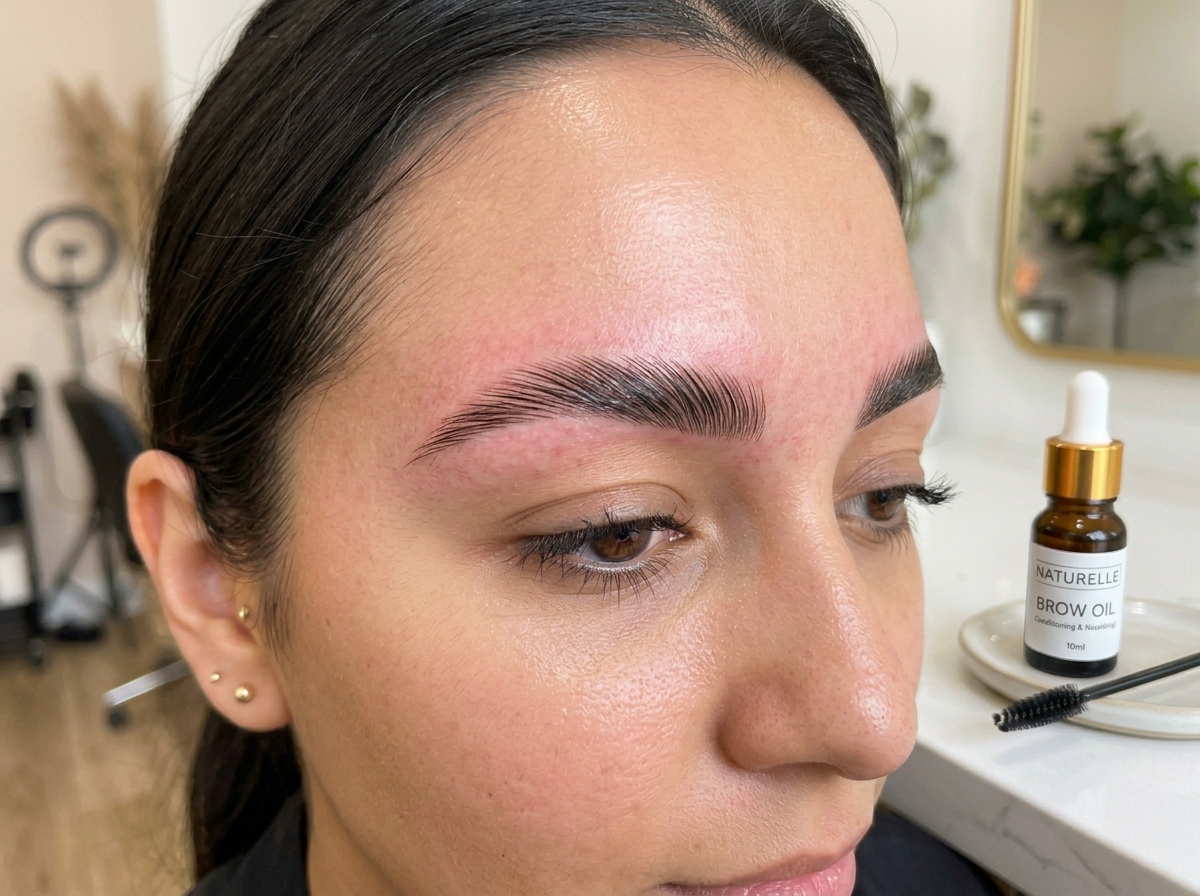
The first twenty-four to forty-eight hours after a brow lamination treatment are the most important in determining how long and how well the results hold. During this period the chemical bonds that have been restructured within each brow hair are completing their curing process — and any disruption to the brow area during this window directly interferes with that process.
Keep Brows Completely Dry
The single most important rule in the immediate aftercare period is to keep the brow area completely dry for a minimum of twenty-four hours — and ideally forty-eight hours for maximum result longevity. Water, steam, and sweat all introduce moisture that can disrupt the setting bonds in the hair, causing the newly restructured hairs to partially relax back toward their original position before the cure is complete.
Practical adjustments during this window include washing your hair in the sink rather than the shower to avoid steam contact with the brow area, skipping any workout that produces significant perspiration, avoiding saunas, steam rooms, and hot baths, and being careful with facial cleansing — washing only below the brow line with a damp cloth rather than splashing water across the full face. This feels inconvenient for twenty-four to forty-eight hours but protects a result that cost both money and time to achieve.
Do Not Touch, Rub, or Brush the Brows
Friction against the brow area during the curing window — whether from touching, rubbing, sleeping pressure, or even an overly enthusiastic spoolie brush — can displace hairs that have not yet fully set into their new position. Keep hands away from the brow area as much as possible during the first twenty-four hours. Sleep on your back if you can — face-down or side-sleeping creates direct pillow pressure against the brows that can flatten and displace the laminated hairs before the bonds have stabilized. A silk pillowcase provides the lowest possible friction surface for those who cannot avoid side-sleeping.
Avoid All Makeup and Skincare on the Brow Area
No makeup, skincare product, oil, or serum should be applied directly to the brow area within the first twenty-four to forty-eight hours after treatment. Many skincare actives — particularly AHAs, retinol, and oil-based formulas — can interfere with the chemical structure of the laminated brow hairs or disrupt the setting bonds. Even seemingly innocuous products like facial moisturizer can migrate into the brow zone and affect the cure if applied anywhere near the brow line during this critical window. Apply all skincare carefully below and around the brow area and allow it to fully absorb before any incidental contact with the brows could occur.
What to Use and Avoid After the Initial 24 to 48 Hours
Once the initial curing window has passed, the aftercare focus shifts from strict avoidance to ongoing maintenance — the daily habits and product choices that determine whether your lamination lasts four weeks or eight.
Products to Use on Laminated Brows
Nourishing Brow Serums and Oils
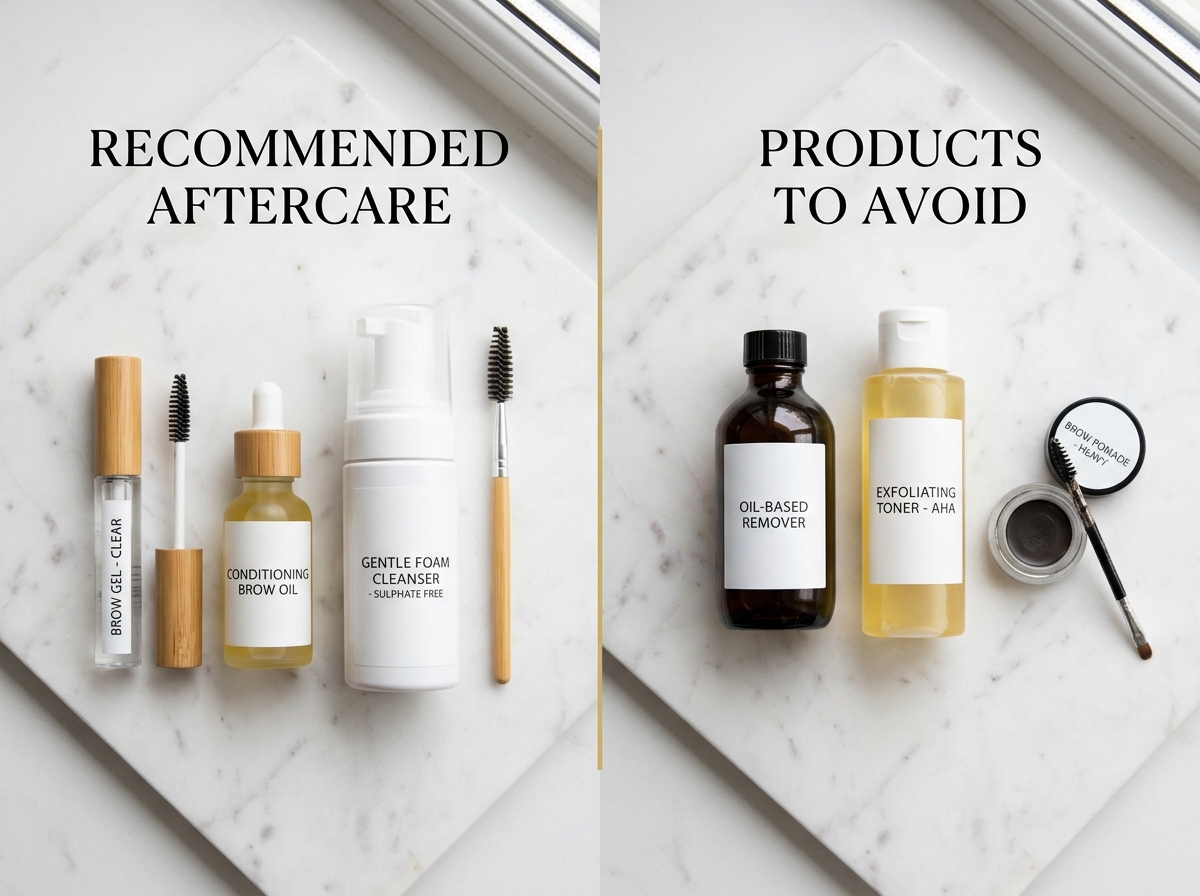
The chemical process involved in brow lamination — like any chemical hair treatment — places some degree of stress on the brow hairs. Regular application of a nourishing brow serum or conditioning brow oil after the initial forty-eight hours helps replenish moisture and protein in the hair shaft, keeping laminated brows soft, flexible, and healthy-looking rather than brittle or stiff. Castor oil is the most widely used traditional conditioning treatment for brow hairs — applied lightly with a spoolie each evening before sleep. Dedicated brow serums containing peptides, biotin, and panthenol provide more targeted follicular support alongside the conditioning benefit. Apply from the roots through the length of the brow hairs using a clean spoolie, working the product in the direction of the lamination set.
Clear Brow Gel for Daily Styling
A clear, lightweight brow gel is the ideal daily styling product for laminated brows. It keeps the hairs sitting in their laminated position throughout the day without adding color, weight, or product buildup that could affect the longevity of the lamination result. Apply by brushing through the brow hairs in the upward direction of the lamination — the gel sets the hairs in place within seconds and provides a natural, polished finish that complements the fluffy, textured quality of freshly laminated brows. Avoid heavy pomades or waxes as daily styling products — these can create buildup at the brow root that is difficult to remove without the kind of aggressive cleansing that stresses laminated hairs.
Gentle, Oil-Free Cleanser for the Brow Area
Cleansing the brow area gently and consistently is important for both brow health and lamination longevity. Use a gentle, oil-free foam or gel cleanser on the brow area rather than oil-based makeup removers or micellar waters with high oil content — oils dissolve the setting bonds in laminated brow hairs in the same way they dissolve lash adhesive bonds, gradually relaxing the lamination result with repeated contact. Work the cleanser through the brow hairs gently using fingertip circular motions, then rinse thoroughly with lukewarm water. Pat dry with a clean cloth — never rub.
Products and Practices to Avoid
Oil-Based Skincare and Makeup Removers
As mentioned above, oil-based products near the brow area are the primary cause of premature lamination relaxation after the initial curing period. Check the ingredient list of any cleanser, makeup remover, or moisturizer applied near the brow zone for oils — mineral oil, coconut oil, argan oil, and similar emollients are the most common culprits. This does not mean avoiding all moisturization of the brow area skin — it means choosing water-based or gel-based formulas for the brow zone specifically and keeping oil-based products well away from the brow hairs themselves.
Harsh Chemical Exfoliants
AHA and BHA exfoliants — glycolic acid, lactic acid, and salicylic acid — used on or near the brow area can affect the structural integrity of laminated brow hairs and accelerate the relaxation of the lamination result. These ingredients work by dissolving protein bonds — which is exactly what they do in skincare — but the same mechanism applies to the protein structure of the chemically treated brow hairs if they come into regular contact. Keep chemical exfoliants away from the brow area throughout the lamination period and use physical exfoliation alternatives on the brow bone and forehead skin if needed.
Sun Exposure and Tanning Treatments
Prolonged UV exposure and UV tanning treatments can fade brow tints applied alongside lamination — most brow lamination treatments include a tint that darkens and defines the brows — and can affect the structural quality of laminated hairs over time. Apply an SPF product to the brow bone area as part of your morning skincare and avoid prolonged direct sun exposure without protection during the lamination period. Self-tanning products applied near the brow area can also cause unexpected color changes to any tint applied during the lamination treatment — keep self-tanner well away from the brow zone or apply petroleum jelly as a barrier before any self-tanning application near the face.
Daily Maintenance for Long-Lasting Lamination Results
Beyond avoiding problematic products, a simple daily maintenance routine actively extends how long your lamination results look their best.
Brush Brows Every Morning
Use a clean, dry spoolie brush to brush the brow hairs upward into their laminated position every morning before applying any product. Even beautifully laminated brows can develop slight directional inconsistency overnight from pillow contact — a quick ten-second brush restores the uniform upward direction that makes the laminated look so striking. Brush from the inner corner outward, working the hairs upward and following the natural arch direction of your brow shape. This daily brushing habit is the single most impactful maintenance step for keeping laminated brows looking freshly treated throughout the full six to eight week result period.
Apply Conditioning Treatment Nightly
Make a nourishing brow oil or serum the last step of your evening routine — applied to the brow hairs after all other skincare has been absorbed and immediately before sleep. Overnight application maximizes the conditioning contact time without any competing products or environmental factors interfering with absorption. Consistent nightly conditioning throughout the lamination period keeps the brow hairs in the healthiest possible condition for retreatment — which matters because repeatedly laminating already-damaged hairs produces progressively worse results and can cause significant breakage over time.
Avoid Overwashing the Brow Area
Daily cleansing of the brow area is appropriate and important — but aggressive or multiple daily washing of the brow hairs strips the natural oils that keep laminated hairs conditioned and can accelerate the relaxation of the lamination result. Once daily gentle cleansing of the brow area is sufficient for most people. If you exercise daily and perspire significantly around the brow area, a light rinse with clean water after exercise followed by gentle foam cleansing in the evening maintains cleanliness without the over-stripping that comes from multiple full cleansing sessions per day.
Brow Lamination and Lash Services — Timing Considerations
Many women who get brow laminations also receive regular lash services — extensions, lifts, or tints — and the timing of these appointments relative to each other affects the comfort and outcome of both treatments.
Scheduling Brow Lamination with Lash Appointments
If you receive both brow laminations and lash extensions or lash lifts, scheduling them on the same day is not recommended — the combined chemical exposure and the extended time required for both services creates unnecessary stress on both the brow and lash areas simultaneously. Spacing appointments by at least one week between services allows each treatment to complete its initial curing period before the adjacent area is subjected to another chemical process. The guide on the Korean lash lift technique covers how this gentler lift approach interacts with sensitive skin around the eye and brow area — relevant context for anyone managing multiple facial hair treatments simultaneously.
Shared Aftercare Principles
The aftercare principles for brow lamination share significant overlap with those for lash lifts and lash extensions — avoiding moisture for the initial curing period, keeping oil-based products away from the treated area, gentle cleansing, and consistent conditioning. For anyone who receives both services, the overlapping aftercare requirements actually simplify the overall routine — the same oil-free cleanser, the same moisture avoidance window, and the same conditioning priority serve both treatments simultaneously. The comprehensive guide to lash lifts and tints as a low-maintenance lash alternative covers the lash lift aftercare protocol in full — worth reading alongside this brow lamination guide for anyone managing both services as part of their regular beauty routine.
When to Book Your Next Brow Lamination
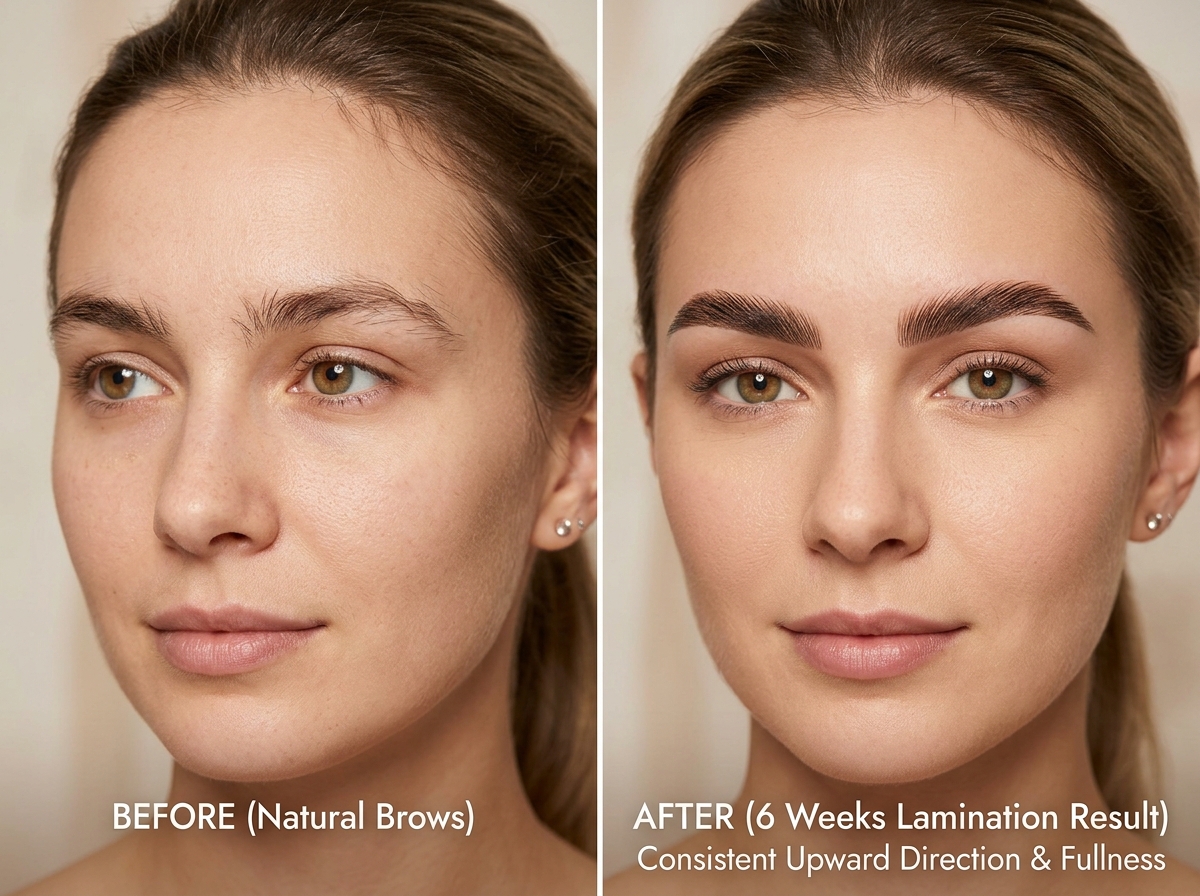
Brow lamination results typically last six to eight weeks — but the visible quality of the result begins to soften before the full eight weeks as the brow hairs gradually return toward their natural position and new unblaminated hairs grow in at the root. Most clients find that the sweet spot for retreatment is around the six to seven week mark — when the result still looks good enough to enjoy but the brow hairs are ready for retreatment without the over-processing risk that comes from laminating already-weakened hairs too frequently.
Signs Your Brows Are Ready for Retreatment
The clearest indicator that brow lamination results have run their course is a visible inconsistency in the direction of the brow hairs — some sitting upward in their laminated position and others reverting to their natural growth direction, creating a mixed texture that neither brushes neatly upward nor sits in a natural pattern. At this point, a new lamination treatment will produce optimal results because there is sufficient natural hair movement available for the chemical restructuring to work effectively.
Retreating too early — before the six week minimum — risks over-processing the brow hairs with repeated chemical exposure before they have had adequate recovery time. Over-processed brow hairs become brittle, break more easily, and eventually produce thinner, sparser brow growth that takes months to recover. Respecting the minimum retreatment interval is one of the most important long-term brow health decisions a regular lamination client can make.
Good Aftercare Is What Makes Lamination Worth It
Brow lamination is an investment — in time, in cost, and in the chemical health of your brow hairs. Following the aftercare protocol correctly is not an optional add-on to that investment — it is the mechanism through which the investment pays off. Clients who follow aftercare carefully consistently get six to eight weeks of beautiful results and arrive at their retreatment appointment with healthy, undamaged brow hairs ready for the next lamination. Clients who skip or shortcut aftercare get four weeks of diminishing results and gradually compromised brow hair quality that affects the outcome of future treatments.
The good news is that brow lamination aftercare is genuinely straightforward once the first forty-eight hours have passed — a gentle oil-free cleanser, a nourishing conditioning treatment, a clear styling gel, and a daily spoolie brush. None of it is complicated or time-consuming, and all of it pays visible dividends in how long and how well your lamination results hold. For further guidance on how professional brow treatments interact with brow growth, thinning, and long-term brow health, the American Academy of Dermatology’s guidance on hair care and chemical treatments provides authoritative context on how chemical processing affects hair structure — applicable to brow hairs as directly as it is to scalp hair. For anyone exploring the full range of low-maintenance brow and lash enhancement services available in 2026, the guide on nano brows vs. microblading covers the semi-permanent brow options that complement lamination as part of a complete brow care approach. And for a broader understanding of how to build a morning beauty routine that incorporates brow maintenance efficiently alongside lash and eye makeup steps, the Byrdie guide to brow lamination aftercare offers expert editorial guidance that pairs naturally with the detailed protocol covered in this post.