Mineral-wash eyeshadow is a one-shadow look made with a muted, cool-toned color such as mushroom, slate, or greige. Apply a small amount near the upper lash line, spread it across the lid, and soften the edges. The result is a wash of color with some natural skin still visible, rather than a fully opaque eye look.
You do not need a new palette or elaborate crease work. One suitable shadow, a clean blending tool, and a light hand are enough. This tutorial explains how to choose your shade, build gentle depth, and pair the finish with lashes without turning it into a traditional smoky eye.
What Makes Mineral-Wash Eyeshadow Different
In Allure’s Fall 2026 makeup trend report, makeup artist Christian Briceno describes mineral-wash shadow as one nuanced, earthy, cool-toned color. The shade creates the mood on its own, with a sheer or slightly stronger finish that still lets the skin show through.
A conventional smoky eye often uses several shades, a deeper crease, and darker lash-line definition. If you want that layered effect, our smoky-eye guide for beginners covers the fuller technique. A mineral wash stays simpler, using placement and blending rather than additional colors to create dimension.
Mineral-wash describes the look, not an ingredient requirement. You do not need mineral-based makeup. A cream, powder, or stick shadow can work if its color and finish suit the effect.
Choose One Shade and a Manageable Formula
Mushroom and Greige for Subtle Definition
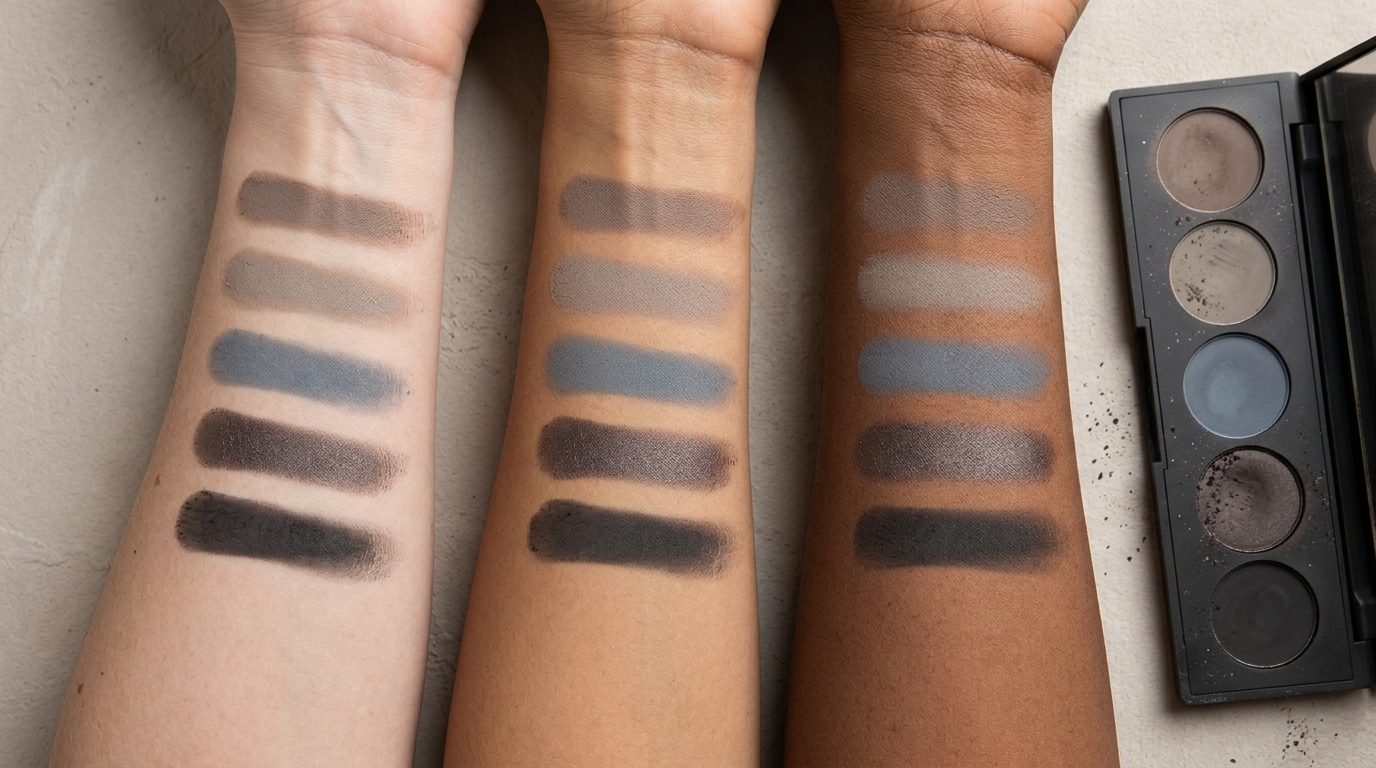
Mushroom mixes soft brown and gray, while greige combines gray and beige. Both are useful starting points when charcoal feels too dark. Pick a shade with enough contrast against your skin to remain visible, but not so much that a sheer layer looks like a hard block.
Slate, Pewter, and Charcoal for More Depth
Slate offers a cooler gray accent. Pewter can add a restrained sheen, while muted charcoal creates a deeper evening wash. On deeper skin tones, look for visible pigment without a chalky pale base. These are styling suggestions rather than fixed complexion rules; test the color on your lid in daylight.
Powder, Cream, or Stick
A powder lets you build slowly with a small brush. Cream and stick formulas can be convenient, but some set quickly, so work on one eye at a time. Choose matte or satin for an understated result. Fine pearl can work too, provided it does not become an opaque metallic foil.
Apply Your One-Shadow Look Step by Step
Prepare Without Heavy Layers
Let your usual skincare absorb before applying makeup. If shadow tends to crease, use a thin layer of your eye primer and follow its directions. Avoid piling concealer, primer, and powder onto the lid; too much base can make a delicate wash harder to blend evenly.
Place Color Near the Upper Lashes
For powder, lightly load a small shadow brush and tap off the excess. Press the first color onto the external lid just above the upper lashes, then spread it across the mobile lid. For cream, start with a tiny amount applied using a clean fingertip or suitable brush. Keep products outside the eye.
Blend the Remaining Color Upward
Use a clean, soft brush to diffuse the upper edge. Let the remaining pigment fade toward the crease without adding a separate transition shade. Blend gently rather than scrubbing. Stop when there is no obvious boundary between the color and surrounding skin.
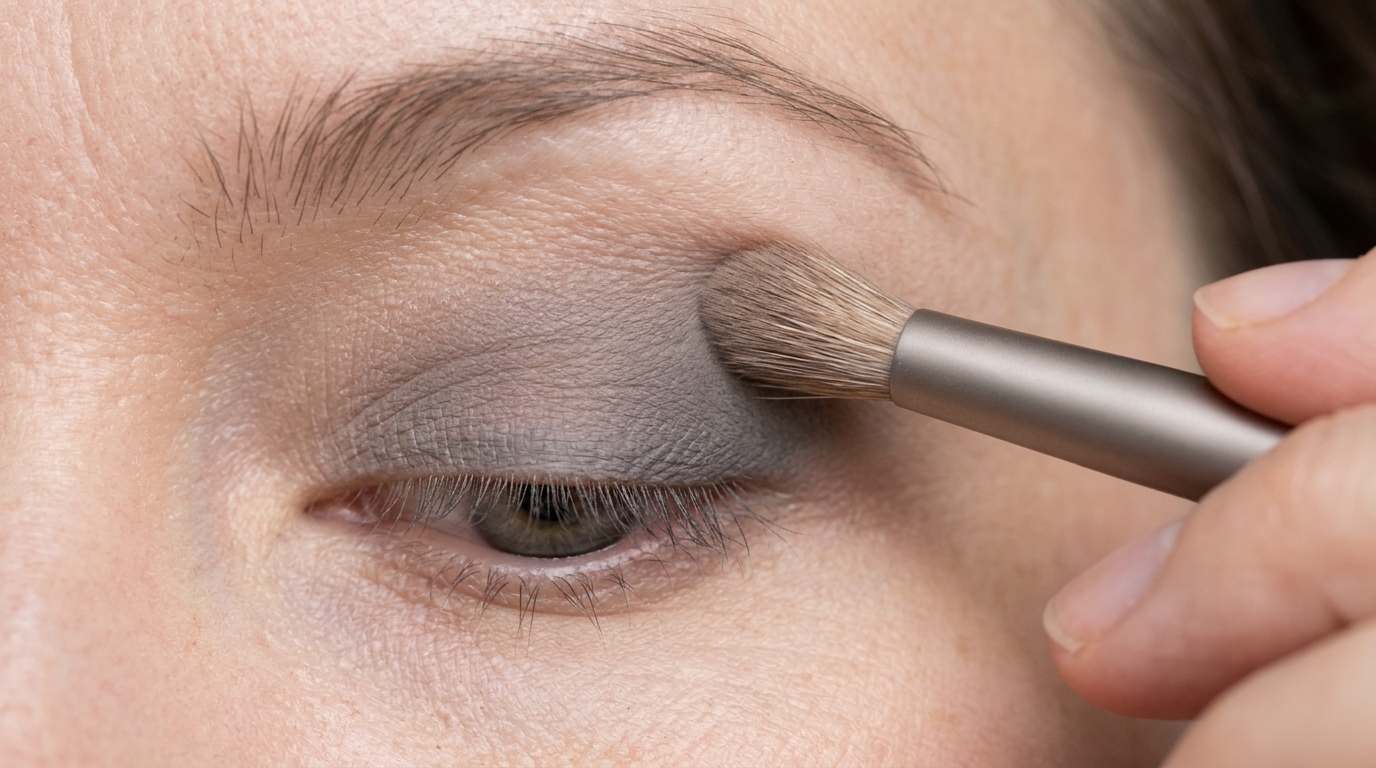
Look straight ahead, then check both eyes at normal mirror distance. Add a little more of the same shadow near the lashes if you want depth. You do not have to extend the color into a wing; a softly rounded placement can be just as intentional.
Adapt the Wash to Your Eye Shape
Hooded Lids and Smaller Visible Lid Areas
Check placement with your eyes naturally open and your brows relaxed. Blend the edge only as high as needed for a little color to remain visible. Our eye makeup guide for hooded eyes explains how visible lid space affects placement. You do not need a cut crease for this softer look.
Textured Lids and Fine Lines
Start with less product and avoid a thick, reflective layer if it emphasizes texture you would rather keep subtle. Try a finely milled powder or flexible cream that feels comfortable. Tap over uneven areas instead of repeatedly dragging the brush across them.
A Softer or Stronger Version
For daytime, keep the color concentrated on the lid and leave the lower lashes bare. For evening, press another thin layer of the same shade near the upper lashes. Increase saturation gradually rather than replacing the wash with a solid charcoal lid.
Finish With Lashes and Balanced Face Makeup
A separating coat of mascara on natural upper lashes can provide enough definition. Brown gives a softer outline; black creates stronger contrast. If you wear extensions, their existing definition may be sufficient, so skip mascara unless your lash artist recommends otherwise for your set.
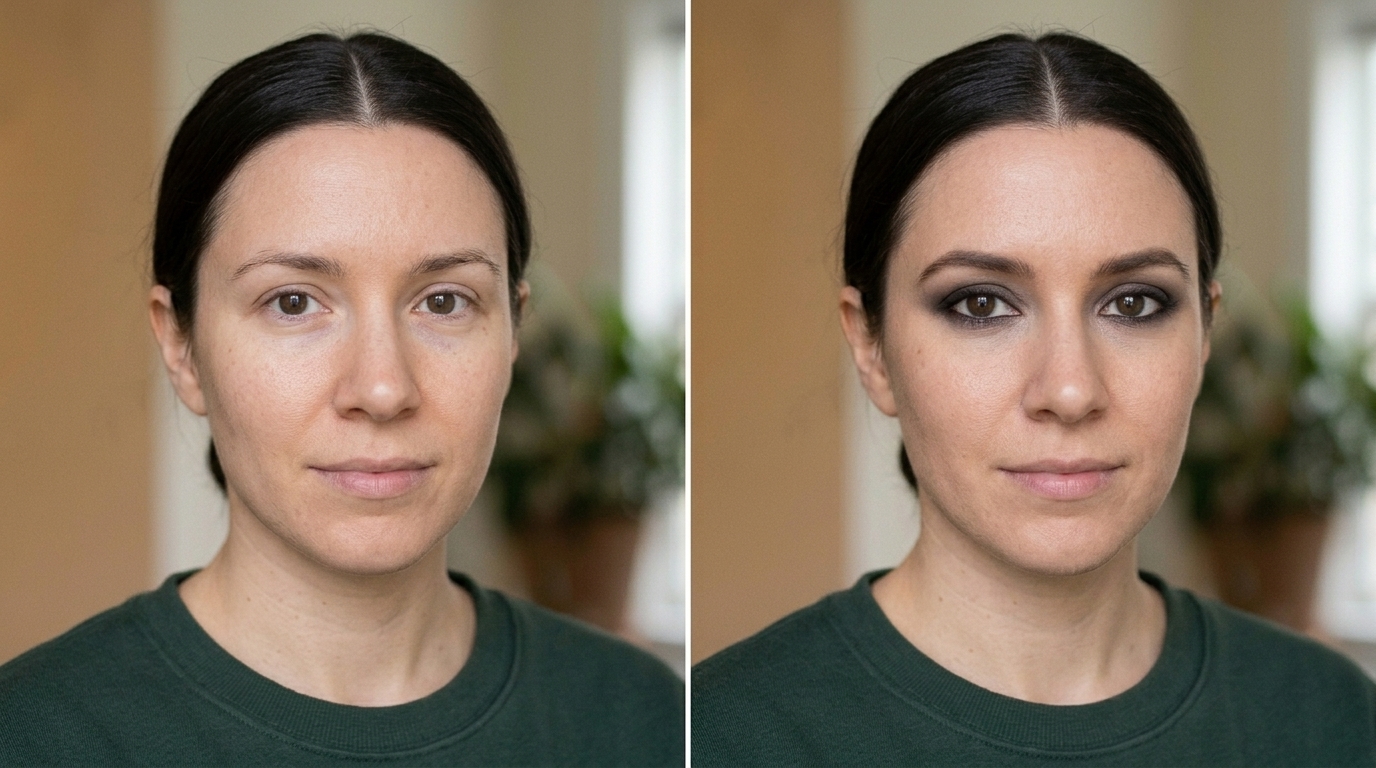
Liner is optional. If you want it, keep a narrow brown or charcoal line on the upper lid so it does not cover the wash. Avoid adding a heavy wing, a bright inner-corner highlight, and several crease colors when your aim is a simple one-shadow finish.
Softly groomed brows, a little blush, and a comfortable lip color keep the face balanced. Prefer a more colorful wash? Our watercolour eye makeup guide explores translucent color combinations, an alternative to this muted neutral approach.
Mineral-Wash Mistakes and Common Questions
Why Does My Shadow Look Chalky or Patchy?
A pale base, too much product, or uneven preparation can make gray shadow look chalky. Try a deeper neutral shade and smaller layers. If a cream has already set, avoid rubbing it aggressively; tidy the area and begin again if necessary.
Can I Use a Shade From My Existing Palette?
Yes. Choose one cool-toned neutral and use it alone. Skip the separate crease, highlight, and outer-corner shades. The effect comes from how lightly you apply and blend, not from buying a product labeled mineral-wash.
Keep Application and Removal Gentle
The FDA’s eye cosmetic safety guidance recommends clean hands and tools, products intended for the eye area, and no sharing. Avoid eye makeup during an infection or when surrounding skin is inflamed. Stop any product that irritates you and seek medical advice if irritation persists.
Remove the shadow with an eye-appropriate remover following its directions, without scrubbing. If you wear extensions, follow your lash artist’s cleansing instructions. A comfortable routine makes this one-shadow look easier to wear again.