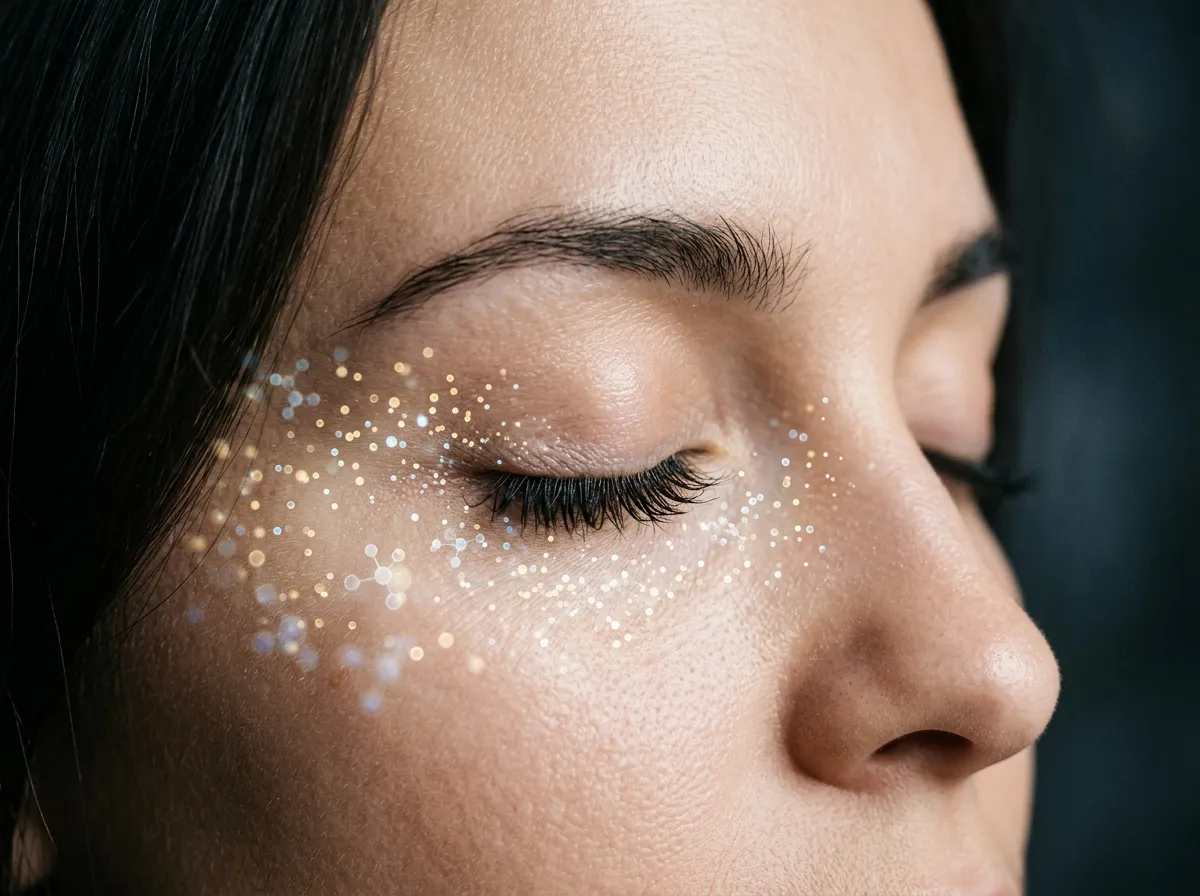
If you have been keeping up with the beauty and skincare world in 2026, you have almost certainly started seeing the word exosomes appearing on product labels, in dermatology waiting rooms, and all over your social media feed. For a while, it felt like specialist territory — something reserved for post-procedure clinics and high-end medical spas. But exosome skincare has crossed decisively into the mainstream this year, and the eye area is one of the most compelling applications for this technology that lash lovers need to understand.
Whether you wear extensions, get regular lash lifts, use growth serums, or simply want to protect the health of your natural lashes and the delicate skin they grow from, exosomes offer a genuinely exciting new dimension of care that goes deeper than anything topical skincare has offered before.
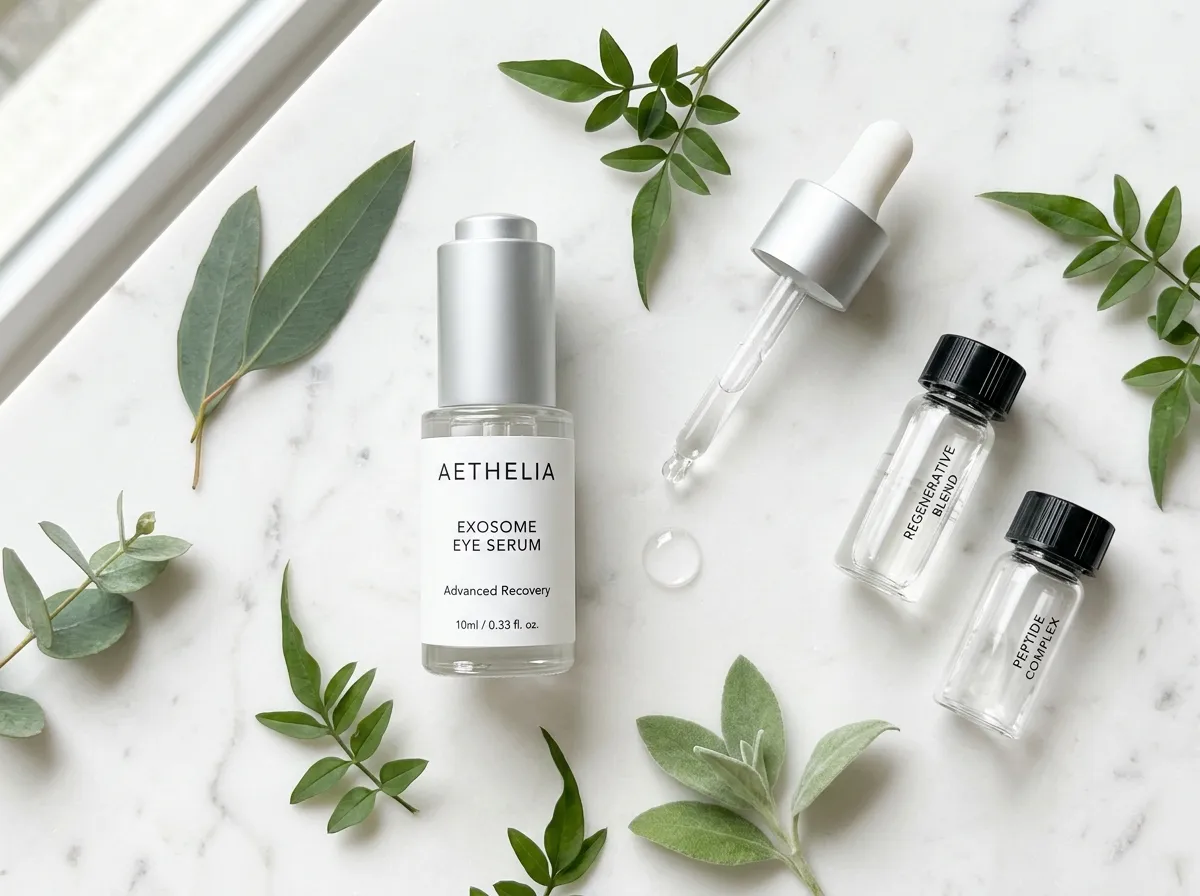
What Are Exosomes and How Do They Work?
Exosomes are not a chemical ingredient in the traditional skincare sense. They are extracellular vesicles — tiny, membrane-bound particles naturally produced by cells throughout the body as a form of biological communication. Think of them as microscopic messengers that carry genetic instructions, proteins, and growth factors from one cell to another, signaling repair, regeneration, and renewal.
In the context of skincare, exosomes derived from plant stem cells, human stem cells, or lab-grown cell cultures are applied topically to deliver those same regenerative signals directly to skin tissue. When absorbed, they essentially instruct your skin cells to behave more like younger, healthier versions of themselves — producing more collagen, accelerating repair cycles, reducing inflammation, and supporting the structural proteins that keep skin firm, smooth, and resilient.
The scale at which this happens is what sets exosomes apart from conventional actives. A single exosome can carry thousands of bioactive molecules simultaneously — growth factors, messenger RNA, lipids, and proteins — delivering a complexity of instruction that a single-ingredient serum simply cannot replicate. This is why dermatologists and cosmetic scientists are calling exosomes one of the most significant developments in skincare technology of the decade.
How Exosomes Differ from Other Skin-Renewing Actives
It is natural to wonder how exosomes compare to the actives you already know — retinol, peptides, vitamin C, and growth factors. The key distinction is mechanism. Most topical actives work by stimulating or inhibiting specific biological processes — retinol accelerates cell turnover, vitamin C inhibits melanin production, peptides signal collagen synthesis. Exosomes work at a more fundamental level by delivering multi-signal biological instructions that trigger a broader, more coordinated regenerative response across multiple cell types simultaneously.
They are also significantly gentler than many high-performance actives. Retinol, for example — one of the most effective anti-aging ingredients available — carries a well-known risk of irritation, peeling, and sensitivity, particularly around the thin skin of the eye area. Exosomes deliver comparable regenerative outcomes without the inflammatory response, making them particularly well-suited to the periorbital zone, where skin tolerance is at its lowest.
Why the Eye Area Is an Ideal Application Zone
The skin surrounding the eye is among the thinnest and most structurally vulnerable on the entire face. At roughly 0.5 millimetres thick — compared to 2 millimetres on the cheeks — it has fewer sebaceous glands, less subcutaneous fat, and a significantly reduced capacity for self-repair compared to other facial zones. It is also subjected to more mechanical stress than almost any other area, with an estimated 10,000 blinks per day creating constant micro-movement that accelerates collagen breakdown over time.
All of this makes the eye area highly responsive to the kind of deep cellular communication that exosomes provide. The regenerative signals exosomes carry — particularly those related to collagen synthesis, inflammation reduction, and barrier repair — address the specific degradation patterns that make the eye area age and weaken faster than the rest of the face.
The Lash Follicle Connection
For lash lovers specifically, the most exciting dimension of exosome skincare for the eye area is its potential impact on lash follicle health. Lash follicles are embedded in the same thin, exosome-responsive dermal tissue surrounding the eye. When that tissue is structurally compromised — depleted of collagen, chronically inflamed, or poorly hydrated — follicle function suffers alongside it. The result is thinner, more brittle natural lashes with a shortened growth cycle.
Exosomes applied to the lash-line zone can support follicle health through several pathways. Growth factors carried within exosomes — particularly those that influence the anagen, or active growth, phase of the hair cycle — may help extend the period during which lash follicles are actively producing new lash hair. Anti-inflammatory signals reduce the low-grade periorbital inflammation that is one of the most underrecognized contributors to lash thinning. And collagen-stimulating instructions strengthen the dermal matrix that anchors each follicle, creating a more stable foundation for both natural lash growth and extension retention.
Understanding how the lash follicle sits within the broader lash growth cycle helps put this in context — the detailed breakdown of natural lash shedding and fill schedules explains the biological phases that exosome skincare can support.
What the Research Actually Says
Exosome skincare is genuinely well-supported by emerging science, but it is important to be clear about where the evidence currently stands. The strongest published research on exosomes relates to their use in clinical and post-procedural settings — wound healing, hair restoration treatments, and post-laser skin recovery — where exosomes are applied in controlled, high-concentration protocols under medical supervision.
Topical over-the-counter exosome products represent a newer and less extensively studied category. The biological activity of exosomes in a cosmetic formulation depends heavily on sourcing, stability, concentration, and delivery method — factors that vary enormously between products and are not always transparently disclosed. Published research in the National Library of Medicine confirms the regenerative potential of exosome-based therapies in dermatological applications, while also noting that standardization of topical formulations remains an active area of development.
What This Means for Your Product Choices
The practical takeaway is that not all exosome eye products are created equal — and the marketing around this ingredient has moved significantly faster than the regulatory frameworks designed to evaluate it. When choosing an exosome eye serum or cream, look for products that clearly disclose their exosome source, concentration, and stability method. Plant-derived exosomes — particularly those from sources like rose stem cells or grape stem cells — are the most common in cosmetic formulations and have a reasonable evidence base for skin-surface activity. Human-derived stem cell exosomes carry stronger regenerative potential but are more expensive and subject to more complex ethical and regulatory considerations.
The American Academy of Dermatology’s guidance on anti-aging skincare ingredients is a reliable reference point for evaluating evidence claims — worth consulting alongside any brand’s marketing material when you are making decisions about high-investment skincare products.
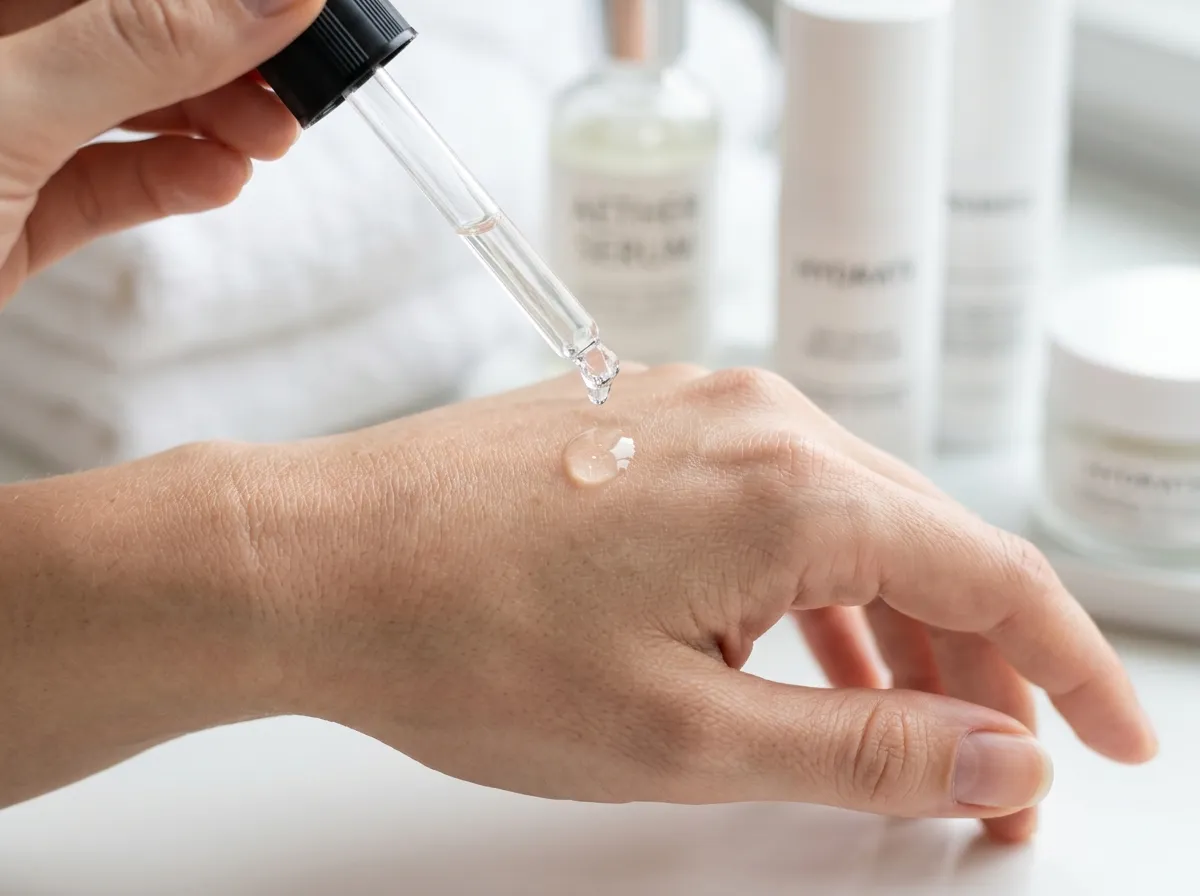
How to Use Exosome Skincare Around the Eye Area
Incorporating exosome products into your eye area routine does not require a complete overhaul of what you are already doing. In most cases, an exosome serum or eye treatment slots in as a targeted addition to an existing routine — working synergistically with the hydrating and protective layers around it.
Application Timing and Technique
Apply your exosome eye serum or treatment as the first active step in your evening routine, after cleansing and before any heavier moisturizers or eye creams. Exosomes need direct contact with skin to deliver their signals effectively — applying them under a layer of occlusive moisturizer actually enhances absorption by creating a sealed environment that drives the active particles deeper into the tissue.
Use your ring finger — the lightest-pressure finger on your hand — to tap the product gently along the orbital bone and work inward toward the inner corner. Avoid direct application to the lash line itself if you are wearing extensions, as some exosome formulas contain carrier oils or emollients that can migrate toward the adhesive bond and affect retention. Stop approximately five to six millimetres from the lash root and allow the product to migrate naturally through skin movement.
Layering with Other Eye Area Actives
Exosomes are highly compatible with most other eye area actives and do not carry the interaction risks associated with ingredients like retinol or AHAs. If you are already using a peptide eye cream — which addresses collagen synthesis from a different molecular angle — applying your exosome serum first and following with the peptide cream creates a complementary layering approach that targets eye area aging through multiple pathways simultaneously.
If you are also using a lash growth serum, apply it to the lash line after your exosome product has fully absorbed — typically two to three minutes of wait time. This sequence ensures neither product interferes with the other’s absorption or efficacy. For a full picture of how lash growth serums work and what to look for in a formula, the guide on natural lash growth serums — what works and what is hype covers the evidence landscape clearly.
Extension-Safe Considerations
If you wear lash extensions, the primary concern with any eye area product is its proximity to the lash adhesive bond and whether its formula contains ingredients that degrade cyanoacrylate. Most water-based exosome serums with a lightweight gel texture are extension-safe when applied with the boundary technique described above. Avoid exosome products formulated in heavy oil bases or those containing glycolic acid, retinol, or high concentrations of plant oils as carrier ingredients — these pose the same retention risks as any oil-based product near the lash line.
The principles of extension-safe skincare that apply to peptide eye products apply equally here. The guide on lash microbiome and eyelid hygiene science provides important context on keeping the lash-line environment healthy without disrupting the balance that extensions depend on.

Who Benefits Most from Exosome Eye Skincare
Exosome skincare for the eye area is relevant across a wide range of lash-lover profiles — but certain groups stand to gain the most from adding it to their routine.
Long-Term Extension Wearers
Years of regular extension wear, fills, and removal cycles place cumulative stress on the periorbital skin and lash follicles. The adhesive application and removal process — even when performed correctly — creates micro-level inflammation and mechanical stress that adds up over time. Exosome skincare offers a targeted recovery and maintenance tool for this zone that goes beyond what standard moisturizers can address.
People Taking a Lash Break
If you are currently on a planned break from extensions to allow your natural lashes to recover — perhaps working through the lash blindness reset process — an exosome eye treatment during this period can actively support the follicle repair and skin recovery that makes the break productive rather than passive. Pairing exosome skincare with a lash-growth serum during a break creates a genuinely comprehensive natural lash-recovery protocol.
Anyone Over 35
The natural decline in cellular communication efficiency that comes with age makes the regenerative signaling of exosomes increasingly valuable from the mid-thirties onward. Lash thinning, under-eye crepiness, and loss of orbital firmness all accelerate significantly after 35 — and these are precisely the concerns that exosome skincare is best positioned to address at the root cause level rather than just at the surface.
Exosomes Are Worth the Attention They Are Getting
Not every viral beauty ingredient lives up to its promise — but exosomes are different. The science behind them is real, the applications are logical, and the early evidence from clinical settings is genuinely encouraging. The cosmetic formulation space is still catching up to the clinical one, which means some products will overpromise and underdeliver. But the underlying technology is sound, and for anyone serious about the long-term health of their eye area and lash follicles, exosome skincare is worth understanding and worth investing in thoughtfully.
Start with a well-sourced, transparently formulated exosome serum from a brand with a dermatological or clinical foundation. Give it a consistent twelve-week trial — cellular communication takes time to produce visible structural results. And layer it intelligently within a routine that also addresses hydration, protection, and lash-line hygiene. The cumulative effect of that approach is what genuine, lasting improvement to the eye area looks and feels like.
For anyone building a full science-forward lash and eye area routine, the complete picture comes together across the posts on caffeine eye care benefits and natural lash care with oils and serums — each addressing a different layer of the same goal: healthy, resilient lashes and the skin that supports them.