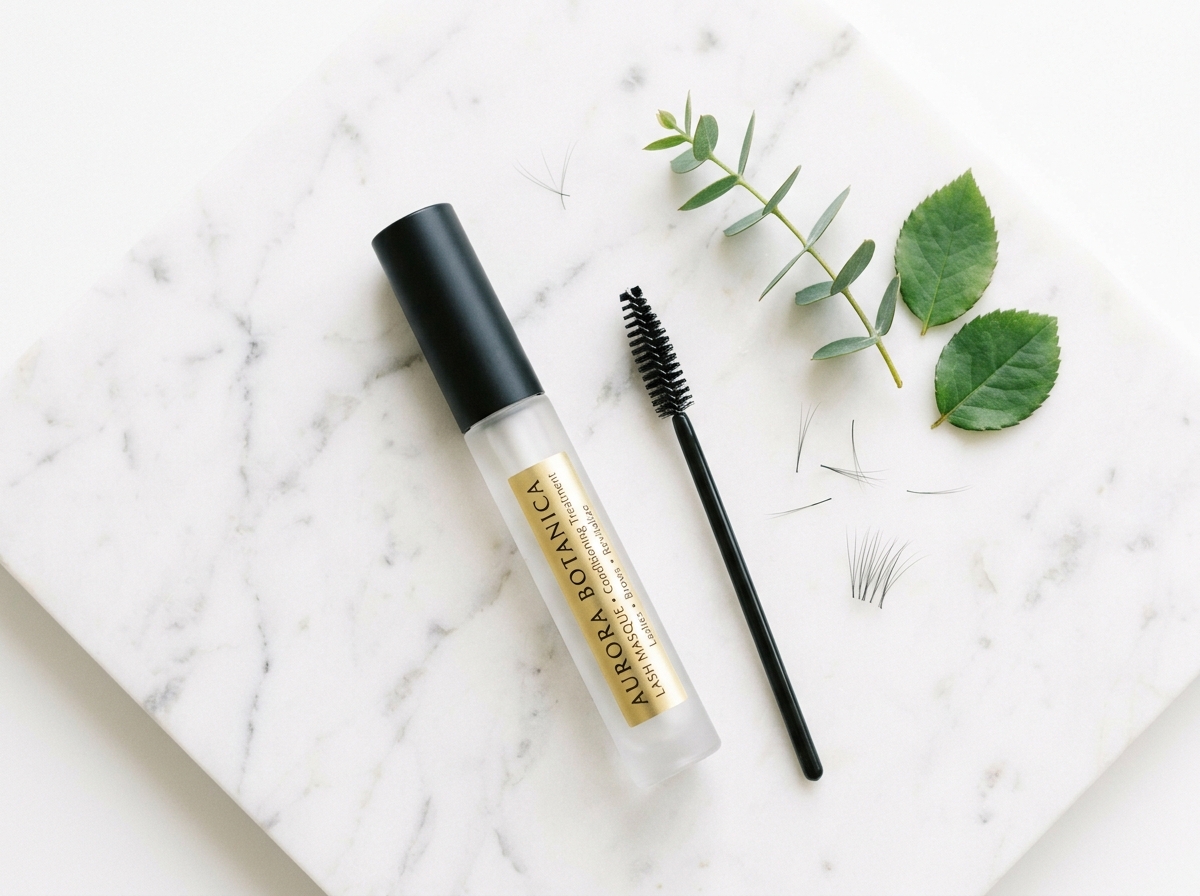
The lash care product market in 2026 is more crowded and more confusing than it has ever been. Alongside the established categories of growth serums, lash primers, and extension sealants, a newer category has been gaining significant momentum — lash masques and intensive conditioning treatments. These products promise to repair damaged lash fibers, restore moisture and protein balance to over-processed lashes, and create healthier, stronger, more resilient natural lashes that respond better to professional services and look better between them.
The question that most lash lovers and extension wearers are asking is a reasonable one: do these products actually work, or are they simply capitalizing on the 2026 natural lash health movement with compelling packaging and aspirational marketing? The honest answer is nuanced — some do, some do not, and the difference between the two comes down almost entirely to the ingredient formulation and the specific lash concern being addressed. This guide breaks down the science behind lash masques and conditioning treatments, explains what the effective ones actually do, identifies the ingredients worth looking for, and provides clear guidance on when and how to use them.
What Are Lash Masques and Conditioning Treatments?
Lash masques and intensive conditioning treatments are leave-on or rinse-off products designed to be applied directly to the natural lash hairs — not the lash line skin — to deliver concentrated nourishing, repairing, or strengthening ingredients to the lash fiber itself. They are distinct from lash growth serums, which target the follicle and the growth cycle, and from lash primers, which prepare the lash surface for mascara or extension adhesive. Masques and conditioning treatments work on the existing lash hair — the shaft that is already grown — rather than on the follicle that produces new lashes.
This distinction matters because it clarifies what these products can and cannot do. They cannot change the growth cycle, increase the rate of new lash production, or reverse follicular damage — those are the domains of growth serums and systemic nutritional support. What they can do is meaningfully improve the condition, appearance, and resilience of the lash hairs that are currently present — and for anyone whose lashes have been compromised by chemical treatments, extension wear, mascara, or environmental stress, that improvement can be both visible and significant.
The Difference Between a Masque and a Conditioner
In practice, the distinction between a lash masque and a lash conditioner is primarily one of application time and concentration rather than fundamental mechanism. A lash masque is typically a more concentrated treatment designed to be applied for a defined period — five to twenty minutes — before being rinsed or wiped away, allowing higher concentrations of active ingredients to penetrate the lash fiber during the treatment window. A lash conditioner is typically a lighter formulation designed for leave-on use — applied to the lashes and left overnight or throughout the day to deliver conditioning benefits through continuous contact rather than concentrated exposure. Both approaches can be effective — the masque format delivers higher-intensity treatment in a shorter window, while the conditioner format delivers sustained lower-intensity benefit over a longer period.
The Science Behind How They Work
To understand whether lash masques genuinely work, it helps to understand what the lash hair shaft is made of and what kinds of external treatments can meaningfully improve its condition.
Lash Hair Structure and Vulnerability
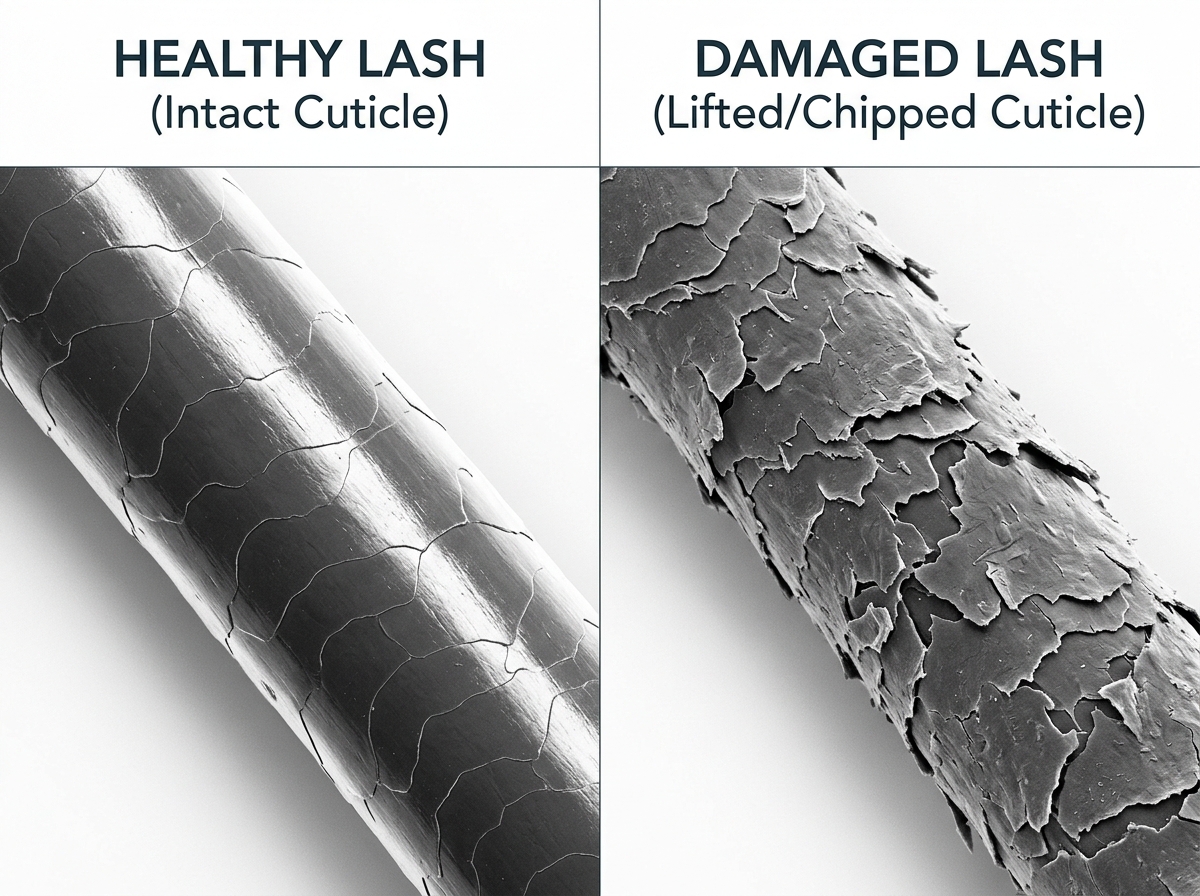
Each lash hair is a keratinized fiber — a tightly organized structure of keratin protein surrounded by a protective cuticle layer of overlapping scales. When the lash is healthy, the cuticle scales lie flat and smooth, protecting the inner protein cortex from moisture loss and mechanical damage. The lash appears shiny, flexible, and resilient. When the lash is damaged — from chemical treatments, heat, mascara friction, or extension wear — the cuticle scales lift, chip, or break, exposing the inner cortex to moisture loss and further damage. The lash becomes dull, brittle, and more prone to breakage.
Lash masques and conditioning treatments address this structural degradation through several complementary mechanisms — and understanding which mechanisms a specific product is targeting helps evaluate whether its formulation is capable of delivering on its claims.
Protein Replenishment
Hydrolyzed proteins — particularly hydrolyzed keratin, hydrolyzed silk, and hydrolyzed wheat protein — are among the most evidence-supported ingredients in lash conditioning products. These proteins have been chemically processed to reduce their molecular size to a point where they can penetrate the lifted cuticle and deposit within the damaged cortex zone, physically filling gaps in the protein structure created by chemical or mechanical damage. The result is a lash that feels stronger, appears smoother, and reflects light more evenly — the visual improvement is genuine and measurable rather than superficial.
The effectiveness of protein-based conditioning depends on the molecular weight of the protein in the formula — proteins that are too large to penetrate the cuticle can only coat the outer lash surface, creating a temporary smoothing effect that washes off rather than a structural improvement that persists. Look for products that specify hydrolyzed protein forms with low molecular weight rather than simply listing protein as an ingredient without further specification.
Moisture Restoration
Alongside protein loss, damaged lash hairs lose moisture through the compromised cuticle — becoming dry, stiff, and brittle in a way that makes them more prone to breakage during mascara application, extension removal, and everyday mechanical contact. Humectant ingredients — including hyaluronic acid, panthenol (provitamin B5), glycerin, and aloe vera — attract and retain moisture within the lash fiber, restoring the flexibility and resilience that well-hydrated lash hairs naturally possess. Panthenol is particularly valuable in lash conditioning products because it both attracts moisture and helps seal the cuticle surface — addressing both the cause and the symptom of lash dryness simultaneously.
Cuticle Smoothing and Sealing
Once protein and moisture have been delivered to the lash fiber, cuticle-sealing ingredients — including silicones, ceramides, and certain natural oils applied in appropriate concentrations — smooth the lifted cuticle scales back into a flat, protective configuration that slows further moisture loss and mechanical damage. This sealing step is what gives conditioning-treated lashes their characteristic smoothness and shine — the visual improvement that makes treated lashes appear healthier than untreated ones. In a lash masque context, this sealing effect is often the most immediately visible result — smooth, reflective lashes that appear significantly healthier after a single treatment session.
Which Lash Concerns Actually Respond to Conditioning Treatments
Understanding which specific lash concerns respond meaningfully to masque and conditioning treatments — and which require a different intervention — helps set appropriate expectations and direct investment toward products that can genuinely help.
Over-Processed Lashes from Chemical Treatments
Lashes that have been over-processed by repeated lash lifts, laminations, or perms — particularly lashes that have become frizzy, kinked, or excessively curled in an uncontrolled way — respond very well to intensive protein masques and conditioning treatments. The chemical damage to the disulfide bonds in the protein structure is exactly the type of structural compromise that hydrolyzed protein replenishment addresses most effectively. A consistent conditioning protocol during the recovery period between chemical treatments can meaningfully improve the texture, smoothness, and overall appearance of over-processed lashes while the follicle produces new, undamaged growth at the root. For context on how chemical lash treatments affect lash structure and what recovery looks like, the detailed comparison of lash lamination vs. lash lift covers the underlying chemistry that conditioning treatments are designed to support during the recovery window.
Extension Wear Stress
Natural lashes that have supported extension bonds over extended periods — particularly lashes that have experienced traction stress from heavier extension sets — show a specific pattern of damage: cuticle lifting at the bond junction zone, mid-shaft dryness from reduced sebaceous conditioning, and tip fragility from the weight-related stress that accumulates over time. Lash masques applied during extension-free periods or on the natural lashes between fill appointments address all three of these damage patterns simultaneously. Regular conditioning during the extension wear cycle — not just during breaks — is one of the most effective preventive measures for cumulative extension-related lash health decline. The guide on avoiding and fixing lash damage after extensions covers the full recovery protocol within which lash masques play a significant supporting role.
Mascara-Related Dryness and Brittleness
Daily mascara wear — particularly waterproof formulas that require aggressive removal — creates cumulative cuticle damage through the friction of application and the solvent action of removal. Lashes that are washed and mascaraed daily without any conditioning support gradually become drier, more brittle, and more prone to breakage at the tip. A weekly lash masque applied on days when mascara is not worn provides the moisture and protein replenishment that daily mascara use depletes — maintaining lash health over the long term rather than allowing the cumulative deficit to build until visible breakage or thinning occurs.
What Conditioning Treatments Cannot Fix
Conditioning treatments work on existing lash hairs — they cannot reverse follicular damage, increase new lash production, or restore lashes that have already shed. If the primary concern is sparse or thin lash growth rather than the condition of the lashes that are present, a prostaglandin-free lash growth serum addresses the follicular concern that conditioning treatments cannot reach. The most effective lash health protocol combines both — a growth serum to support the follicle and the growth cycle, and a conditioning masque or treatment to maintain the health of the lash hairs that the follicle produces.
Ingredients to Look for in an Effective Lash Masque
With the product category expanding rapidly, ingredient literacy is the most reliable tool for identifying effective products from marketing-heavy alternatives that deliver minimal actual benefit to the lash fiber.
High-Value Ingredients
- Hydrolyzed keratin — the most structurally relevant protein for lash conditioning, directly replenishing the primary protein component of the lash fiber
- Hydrolyzed silk protein — a fine-molecular-weight protein with excellent lash penetration and strong smoothing and shine-enhancing properties
- Panthenol (provitamin B5) — combines humectant moisture-attracting function with cuticle-sealing benefit; one of the most well-researched hair conditioning ingredients available
- Biotin (vitamin B7) — supports the keratin infrastructure of the lash fiber when delivered topically in high enough concentration
- Ceramides — lipid molecules that fill gaps in the cuticle structure and create a water-retaining barrier that slows ongoing moisture loss
- Aloe vera — a multi-functional conditioner with humectant, anti-inflammatory, and cuticle-smoothing properties that make it a valuable supporting ingredient in most lash masque formulas
Ingredients to Approach with Caution
For extension wearers using conditioning treatments during the wear period, heavy oils — coconut oil, castor oil, argan oil — in a lash masque formulation should be applied only to the lash shaft mid-length and tips, avoiding the root zone where extension adhesive bonds sit. Applied to the bond zone, these oils will degrade the adhesive and cause premature extension loss regardless of how beneficial they are for the lash fiber itself. Water-based or protein-based masque formulas without heavy oil content are the safer choice for extension wearers who want to condition during the wear period rather than only during lash-free recovery windows.
How to Use a Lash Masque Correctly
Application method determines how much benefit is actually delivered to the lash fiber — and incorrect application is one of the most common reasons people conclude that a product does not work when in fact it was applied in a way that prevented it from working effectively.
Cleanse First
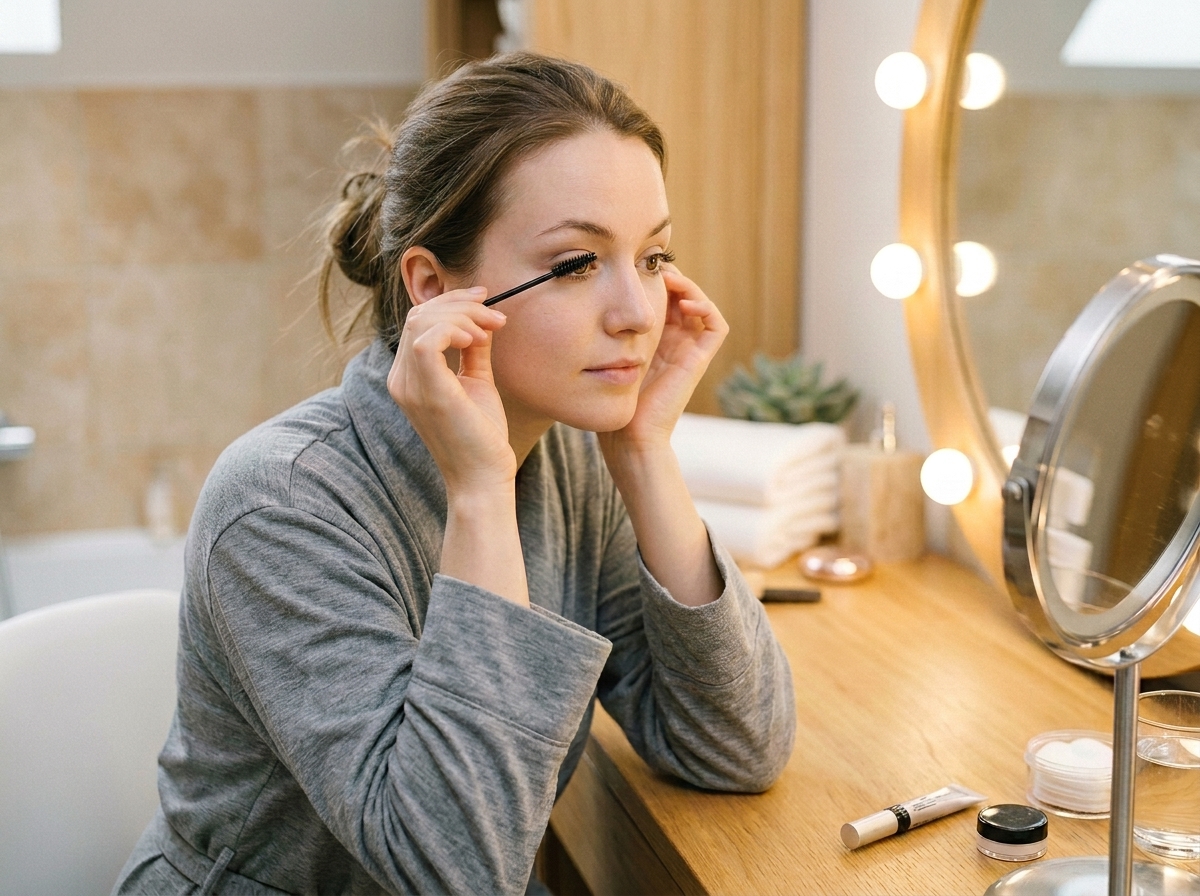
Always apply lash masques to clean, product-free lashes. Any mascara residue, natural oil, or product buildup on the lash surface creates a barrier between the masque ingredients and the lash fiber — preventing penetration and reducing the effectiveness of every active ingredient in the formula. Use a gentle extension-safe foam cleanser or oil-free micellar water to cleanse the lash line thoroughly before applying any conditioning treatment.
Apply Along the Full Lash Length
Using a clean spoolie brush or the product’s applicator, distribute the masque along the full length of the lash — from root to tip — ensuring complete coverage of the lash shaft. The cuticle damage that conditioning treatments address is distributed along the full length of the lash rather than concentrated at any single point, so full-length application is necessary for comprehensive benefit. Apply in smooth, combing strokes from root to tip rather than in a mascara-style zigzag motion, which can create product buildup at the root rather than distributing it evenly along the shaft.
Respect the Treatment Time
For rinse-off masque formats, the specified treatment time is calibrated to allow adequate ingredient penetration without over-conditioning — leaving the product on significantly longer than recommended can cause protein overload, which paradoxically makes lash hairs feel stiff and brittle rather than soft and flexible. Follow the product’s recommended timing precisely and rinse thoroughly to remove all traces of the masque before the lash surface dries with product residue.
How Often Should You Use a Lash Masque
Frequency of use depends on the current condition of the lashes and whether conditioning is being used preventively or as an active repair intervention.
For Active Repair — Post Chemical Treatment or Extension Damage
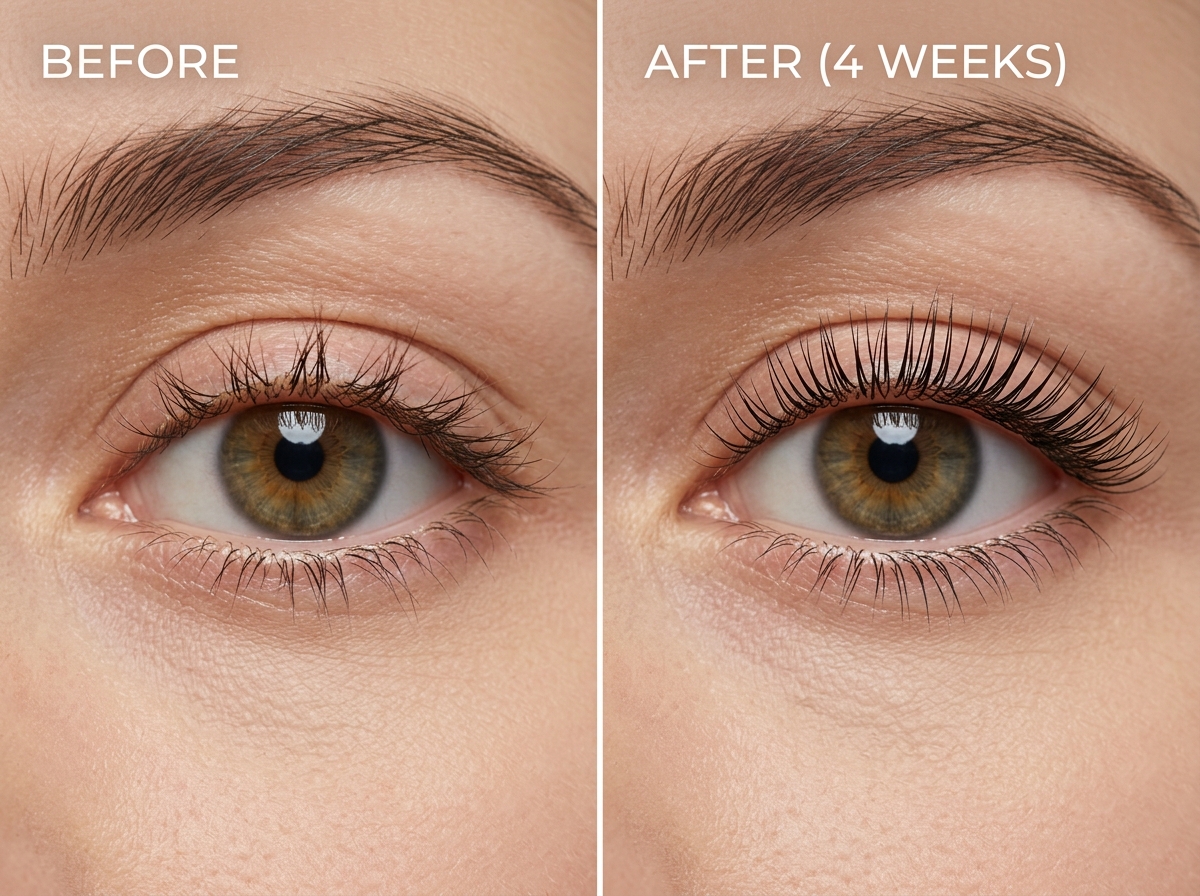
During an active repair period — following over-processing from chemical treatments, following a lash extension break where damage is being addressed, or during any period of visible lash brittleness or breakage — a lash masque used two to three times per week provides sufficient treatment frequency to produce meaningful improvement within four to six weeks. Combining masque treatment with a nightly leave-on conditioner during this period creates a comprehensive conditioning protocol that addresses both concentrated repair and sustained daily nourishment simultaneously.
For Ongoing Maintenance
For lashes that are in good health and do not require active repair, a weekly masque treatment is sufficient to maintain conditioning benefit and prevent the cumulative depletion that daily mascara wear, environmental exposure, and occasional chemical service stress would otherwise produce over time. A consistent once-weekly conditioning session of five to ten minutes adds up to a meaningful protective investment in lash health over the course of a year — producing lashes that arrive at professional service appointments in better condition, respond more favorably to treatments, and maintain their quality through longer extension and lift cycles.
The Verdict — Yes, with the Right Formula
Lash masques and conditioning treatments do work — when they contain the right ingredients in effective concentrations and are used correctly and consistently. The category is not without its share of products that deliver superficial temporary effects through surface coating rather than genuine fiber repair — but the effective options are clearly distinguishable by their ingredient transparency, their protein and humectant content, and the consistency of results reported by users across different lash types and damage profiles.
For anyone who wears extensions regularly, receives chemical lash treatments, or uses mascara daily — which is most people who care about their lashes — incorporating a quality lash masque into the routine one to three times per week is one of the most genuinely impactful lash health investments available in 2026. It costs less than a single fill appointment, takes less than ten minutes per session, and produces cumulative improvements in lash strength, flexibility, and appearance that make every professional service and every morning mascara application better as a result. For the most current and rigorously tested guidance on lash conditioning products from professional beauty editors, the Byrdie guide to the best lash conditioners offers independently evaluated product recommendations that pair well with the ingredient framework covered in this guide. For the scientific foundation on protein treatment efficacy for hair fibers — directly applicable to lash conditioning chemistry — the National Library of Medicine research on hair fiber structure and repair treatments provides the peer-reviewed evidence base that supports the ingredient categories recommended above.