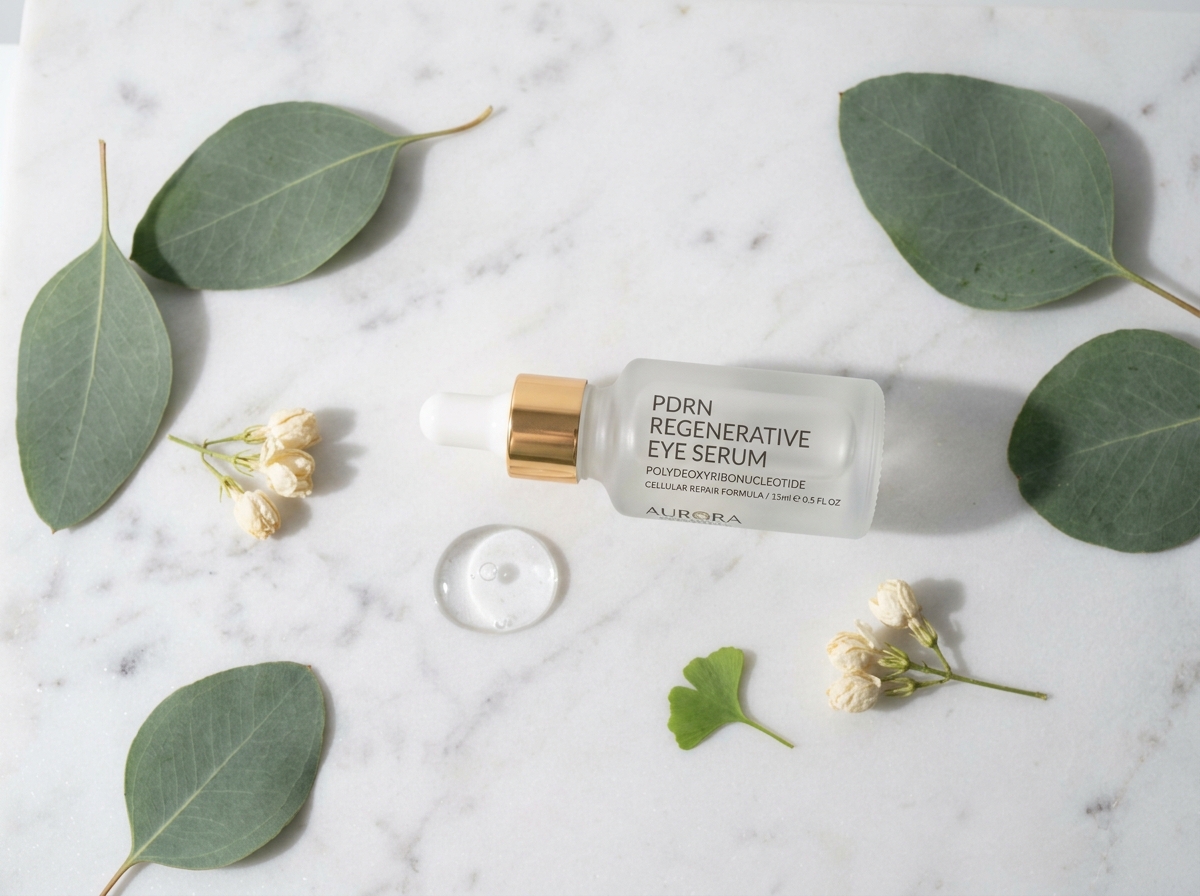
If exosomes were the skincare ingredient story of 2025, PDRN is shaping up to be the story of 2026 — and for anyone who follows the eye area skincare space, the timing is significant. PDRN, or Polydeoxyribonucleotide, has been used in clinical medicine for decades, primarily in wound healing, orthopedic tissue repair, and post-surgical recovery. It has only recently — and rapidly — crossed into aesthetic medicine and consumer skincare, where its regenerative and anti-inflammatory properties are being positioned as one of the most meaningful advances in evidence-backed skin repair available without a clinic appointment.
For lash lovers, extension wearers, and anyone who invests seriously in the health and appearance of their eye area, PDRN deserves attention for the same reasons exosomes did — it addresses the specific degradation patterns of periorbital skin at a cellular level rather than simply managing their visible symptoms. This guide explains what PDRN is, how it works, why the eye area is one of its most compelling application zones, and how to incorporate it intelligently into a lash-safe skincare routine.
What Is PDRN and Where Does It Come From?
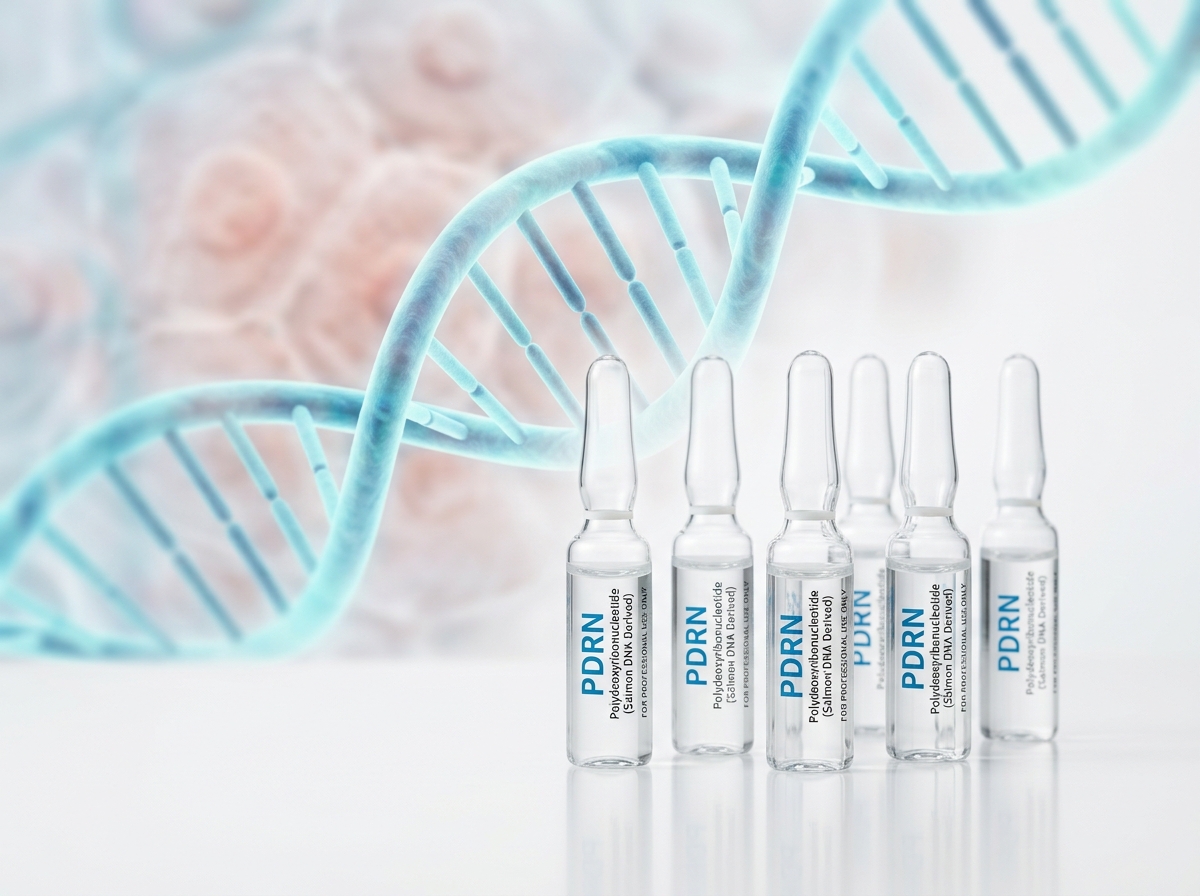
PDRN stands for Polydeoxyribonucleotide — a biological compound derived from the DNA of salmon sperm cells through a carefully controlled extraction and purification process. The use of salmon-derived DNA in medicine is not new — it has been used in clinical wound care in Europe and Asia for more than three decades, and its safety and efficacy profile in tissue repair applications is supported by a substantially larger body of peer-reviewed research than most topical skincare ingredients can claim.
The reason salmon DNA is used rather than a synthetic alternative is biological compatibility — the DNA nucleotide sequences in salmon sperm cells are structurally similar enough to human DNA that they can be recognized and utilized by human skin cells without triggering an immune response. When applied topically or injected into tissue, PDRN fragments are broken down into nucleotides that skin cells can absorb and use as raw material for their own DNA synthesis and repair processes — essentially providing the building blocks that damaged or depleted cells need to regenerate more effectively.
PDRN vs. Exosomes — Understanding the Difference
PDRN and exosomes are both regenerative skincare ingredients with clinical heritage, and both are particularly relevant to eye area care — but they work through entirely different mechanisms and address different aspects of skin repair. Exosomes are extracellular vesicles that carry biological signals — growth factors, messenger RNA, proteins — that instruct skin cells to behave more like younger, healthier versions of themselves. They are cellular communicators. PDRN, by contrast, provides the raw molecular material that cells need to carry out repair processes — nucleotides for DNA synthesis, building blocks for protein production, and signaling molecules that activate specific repair pathways including the adenosine A2A receptor pathway, which is one of the most potent anti-inflammatory mechanisms the body possesses.
The practical implication is that PDRN and exosomes are complementary rather than competing — exosomes communicate the instruction to repair, and PDRN provides the material to execute that repair. For anyone who has already incorporated exosome skincare into their routine, understanding how PDRN builds on and extends that investment is the most useful frame for evaluating whether to add it. The complete guide to exosome skincare for the eye area covers the exosome mechanism in detail — reading it alongside this guide provides a complete picture of how these two regenerative ingredients work together as complementary elements of an advanced eye area skincare protocol.
Why the Eye Area Is an Ideal Application Zone for PDRN
The periorbital skin — the area surrounding the eye including the upper lid, lower lid, under-eye zone, and the skin immediately adjacent to the lash line — is one of the most structurally vulnerable areas on the face and one of the most responsive to regenerative treatment. Understanding why makes the case for PDRN in this zone significantly clearer.
The Specific Vulnerabilities of Periorbital Skin
Periorbital skin is approximately 0.5 millimetres thick at its thinnest points — roughly one-quarter the thickness of skin on the cheeks. This thinness means it has fewer sebaceous glands, less subcutaneous fat for structural support, and a significantly reduced capacity for self-repair compared to other facial zones. It is also subjected to more mechanical stress than almost any other area of the face — the roughly 10,000 blinks per day that each eye performs create continuous micro-movement that accelerates collagen breakdown and structural thinning over time.
Add to this the cumulative effects of UV exposure, sleep position pressure, eye rubbing, and in the case of extension wearers, the repeated application and removal cycles of professional lash services — and the periorbital zone emerges as the area where the skin’s natural repair capacity is most consistently outpaced by the demands placed on it. PDRN’s ability to accelerate cellular repair, reduce inflammation, and stimulate collagen synthesis addresses this repair deficit directly.
PDRN’s Anti-Inflammatory Action Around the Lash Line
One of PDRN’s most clinically significant properties — and one of the most relevant for lash extension and lash service clients — is its activation of the adenosine A2A receptor pathway, which produces a powerful anti-inflammatory response in treated tissue. Chronic low-grade inflammation at the lash line is one of the most underrecognized contributors to lash thinning, premature lash shedding, and the development of conditions like blepharitis and meibomian gland dysfunction. It is also one of the most difficult to address through conventional skincare, because most anti-inflammatory ingredients either cannot penetrate to the follicular level or are too harsh for consistent use on the delicate periorbital skin.
PDRN’s anti-inflammatory action operates at the cellular signaling level — reducing inflammatory cytokines and supporting tissue homeostasis in a way that is both gentle enough for sensitive periorbital skin and targeted enough to reach the follicular environment where lash health is determined. For extension wearers specifically, this anti-inflammatory benefit creates a more favorable lash line environment — one where the low-grade inflammation that accumulates from repeated adhesive application and removal cycles is actively countered rather than simply tolerated. Understanding how the lash microbiome and inflammatory conditions at the lash line interact with lash health is covered in depth in the guide on the lash microbiome, hygiene science, and blepharitis — providing essential context for why the anti-inflammatory dimension of PDRN makes it particularly valuable in a lash-focused skincare routine.
What the Research Says About PDRN in Aesthetic Skincare
Unlike many trending skincare ingredients that arrive in beauty conversations with compelling marketing but minimal peer-reviewed support, PDRN has a genuinely substantial clinical research base — primarily from its decades of use in wound care and tissue regeneration medicine, with a growing body of aesthetic-specific research emerging from South Korea, where PDRN has been used in injectable aesthetic medicine for longer than anywhere else in the world.
Clinical Evidence for Skin Repair
Research published in the National Library of Medicine on PDRN in dermatological and aesthetic applications has demonstrated meaningful improvements in skin hydration, elasticity, and collagen density in treated tissue — with particularly strong results in post-procedural recovery contexts where the skin’s repair capacity is most actively engaged. The collagen-stimulating properties of PDRN are especially well-documented — the adenosine receptor pathway it activates directly upregulates fibroblast activity, the cellular process through which new collagen is synthesized. For the collagen-depleted periorbital skin of women over 35, this fibroblast stimulation represents one of the most meaningful structural improvements available from a topical ingredient.
PDRN in Korean Aesthetic Medicine
South Korea has been the primary driver of PDRN’s transition from wound care medicine to aesthetic skincare — the ingredient has been used in injectable “skin boosters” in Korean aesthetic clinics for more than a decade, and its well-established safety and efficacy profile in that context has provided the clinical confidence for topical formulations to follow. The global influence of K-beauty innovation on mainstream skincare — which has already brought ingredients like snail mucin, centella asiatica, and cysteamine into mainstream Western beauty routines — is now positioning PDRN as the next significant crossover from Korean clinical aesthetics into global consumer skincare. The guide on the Korean lash lift and cysteamine technique covers another example of how Korean aesthetic innovation translates into accessible beauty services — providing context for how quickly Korean clinical approaches move into mainstream application.
How to Use PDRN in Your Eye Area Routine
Incorporating PDRN into an eye area routine is straightforward — the ingredient is available in consumer skincare formulations as serums, ampoules, eye creams, and sheet masks, and it integrates naturally into most existing skincare sequences without requiring significant routine restructuring.
Choosing the Right PDRN Format
PDRN is available in several topical formats, each with slightly different delivery characteristics.
PDRN Ampoules and Serums
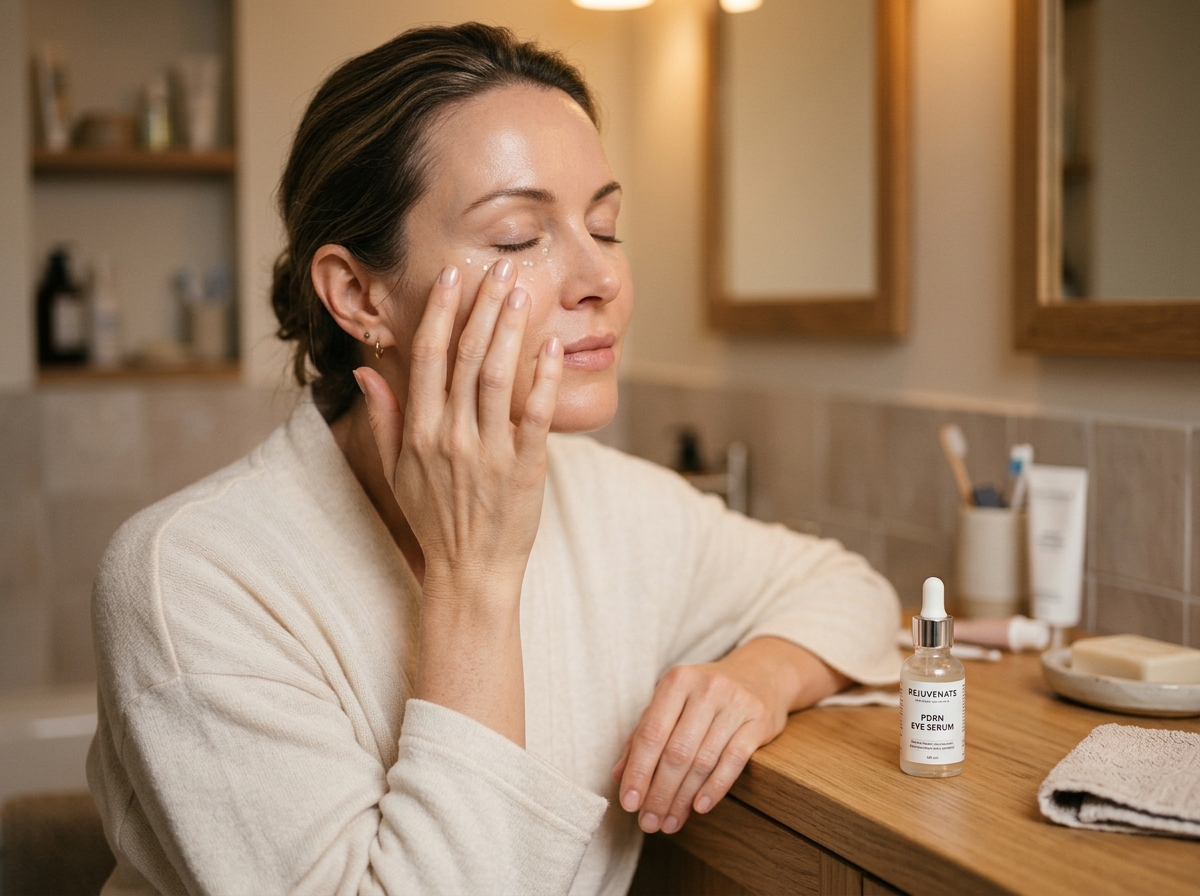
Concentrated PDRN ampoules and serums — typically packaged in small single-dose or multi-dose glass vials — deliver the highest topical concentration of PDRN available in consumer formats. These are the most directly analogous to the injectable aesthetic medicine applications where PDRN’s evidence base is strongest, and they produce the most noticeable results of any topical format for most users. Apply after cleansing and before any heavier eye cream, allowing the serum to absorb fully for sixty to ninety seconds before layering any additional products.
PDRN Eye Creams
PDRN eye creams combine the regenerative ingredient with supporting hydrating and emollient ingredients — hyaluronic acid, ceramides, peptides — that deliver simultaneous moisture and barrier repair benefits alongside the PDRN’s deeper cellular action. These are a practical choice for anyone who wants to consolidate their eye area active treatment and moisturizing steps into a single product, and they are generally the most beginner-friendly entry point into PDRN skincare for those new to the ingredient.
PDRN Sheet Masks and Eye Patches
PDRN-infused hydrogel eye patches — worn for fifteen to twenty minutes — deliver an intensive dose of the ingredient through occlusion, which drives deeper penetration than standard leave-on application. These are an excellent weekly intensive treatment that complements a daily PDRN serum or cream routine rather than replacing it — the patch format delivers a high-dose treatment session while the daily product maintains the baseline benefit between sessions.
Application Sequence for Extension Wearers
For lash extension wearers, the same lash-line boundary principle that applies to all eye area actives applies to PDRN — apply to the orbital bone area using the ring finger with gentle tapping motions, stopping five to seven millimetres from the lash root and allowing the product to migrate naturally toward the follicular zone through skin movement. Avoid direct application to the lash line or lash bond area, and choose water-based or gel-texture PDRN formulas rather than oil-heavy cream formats for the closest proximity to extensions. The comprehensive framework for extension-safe eye area skincare — including boundary application principles and formula selection — is covered in the guide on peptide eye creams and lash-line skincare, which provides the foundational approach within which PDRN products slot naturally as an additional regenerative layer.
Layering PDRN with Other Eye Area Actives
PDRN is highly compatible with most other eye area actives and does not carry the interaction risks associated with retinol, AHAs, or high-concentration vitamin C. The most effective layering sequence positions PDRN as the first active step after cleansing — before peptide serums, hyaluronic acid, and eye creams — so it has direct contact with clean skin before any heavier products create a barrier over its absorption. Exosome serums and PDRN work particularly well in combination, applied in sequence with the exosome serum first followed by PDRN — the exosome signals and the PDRN substrate working together to maximize the regenerative response at the cellular level.
Who Benefits Most from PDRN Eye Area Skincare
PDRN is broadly beneficial for periorbital skin health across all age groups and skin types — but certain profiles gain the most specific and measurable benefit from incorporating it into a consistent routine.
Women Over 35 with Accelerating Collagen Loss
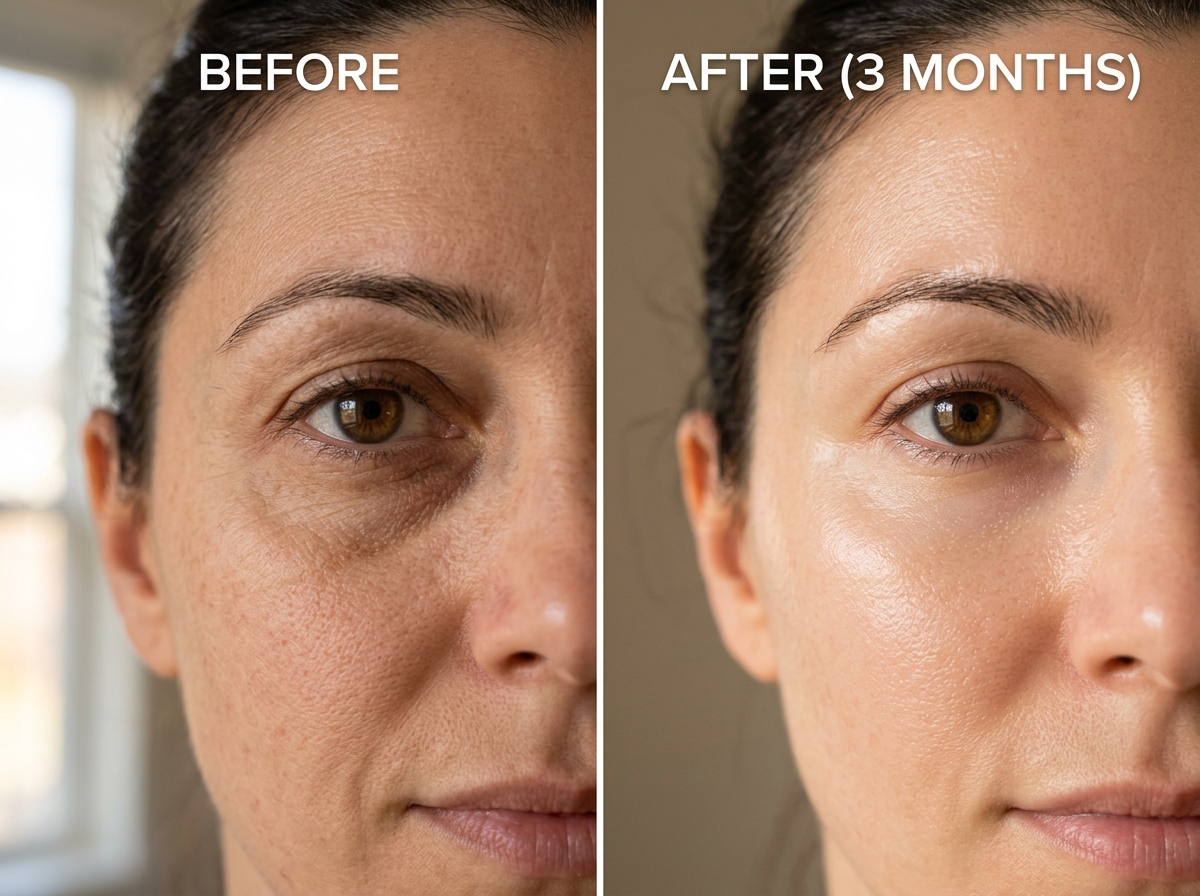
The periorbital collagen decline that accelerates from the mid-thirties onward — driven by the same hormonal and biological changes that affect natural lash density and skin quality across the face — is precisely the concern that PDRN’s fibroblast-stimulating, collagen-synthesizing properties address most directly. Women in this age group who are already experiencing visible under-eye hollowing, crepey texture, or loss of orbital firmness are the group most likely to see meaningful structural improvement from consistent PDRN use over a three to six-month period.
Long-Term Extension Wearers
The cumulative inflammatory and mechanical stress of years of extension application and removal creates a periorbital environment that benefits significantly from PDRN’s anti-inflammatory and repair-stimulating actions. Long-term extension wearers who notice that their natural lash line skin has become more sensitive, thinner, or more reactive to products over time may find that PDRN skincare provides a meaningful recovery and maintenance benefit that conventional moisturizers and peptide creams cannot fully address.
Anyone Recovering from Aesthetic Procedures
In clinical aesthetic medicine, PDRN is widely used as a post-procedure recovery accelerator following laser treatments, chemical peels, microneedling, and injectable procedures. In a consumer skincare context, anyone who receives professional lash services — particularly lash lifts and laminations that involve chemical processing near the eye — may find that PDRN skincare in the days following a treatment supports faster tissue recovery and reduces the post-treatment sensitivity that some clients experience at the lash line and periorbital skin.
PDRN Is the Ingredient Worth Paying Attention to in 2026
In a beauty market crowded with trending ingredients that often arrive ahead of their evidence base, PDRN stands out as genuinely deserving of the attention it is receiving in 2026 — not because it is new, but because its clinical heritage is deep, its mechanism is well-understood, and its translation from medical to aesthetic applications is supported by a growing body of rigorous research rather than just compelling marketing.
For anyone who takes the long-term health and appearance of their eye area seriously — whether for lash health, skin quality, or both — PDRN represents the most scientifically meaningful addition to an advanced eye area routine available in 2026. Introduce it alongside existing activities, give it a consistent three-month trial, and evaluate the cumulative results against the baseline you documented before starting. Like all regenerative skincare, its most significant benefits are structural and progressive rather than immediate and superficial — and that is precisely what makes it worth the patience. For a broader overview of how regenerative skincare ingredients are reshaping the eye area care category in 2026 and which other innovations are worth following, the Allure guide to skincare trends provides authoritative editorial coverage of the ingredient and treatment innovations that are driving meaningful change in evidence-based beauty this year.